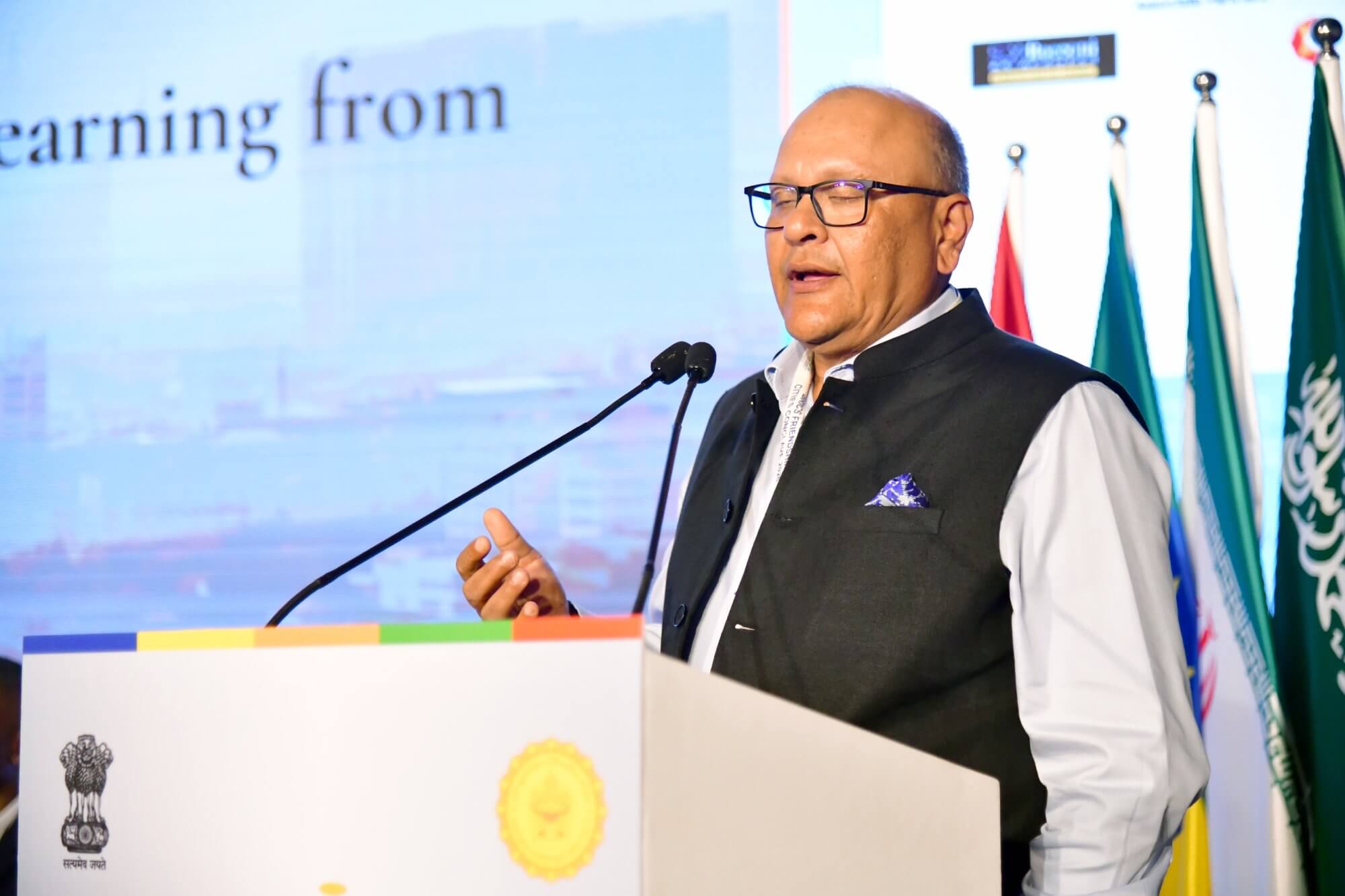
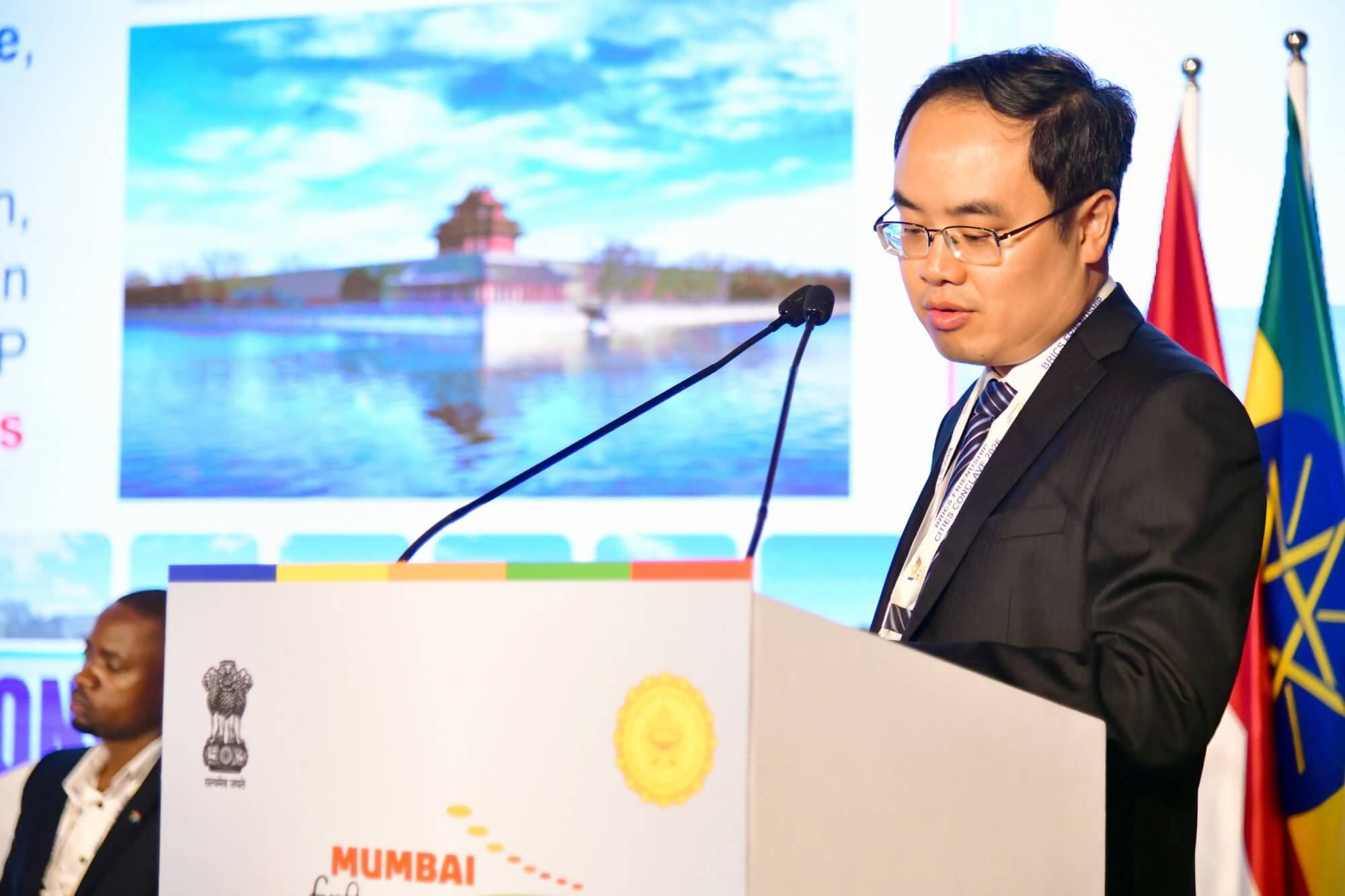
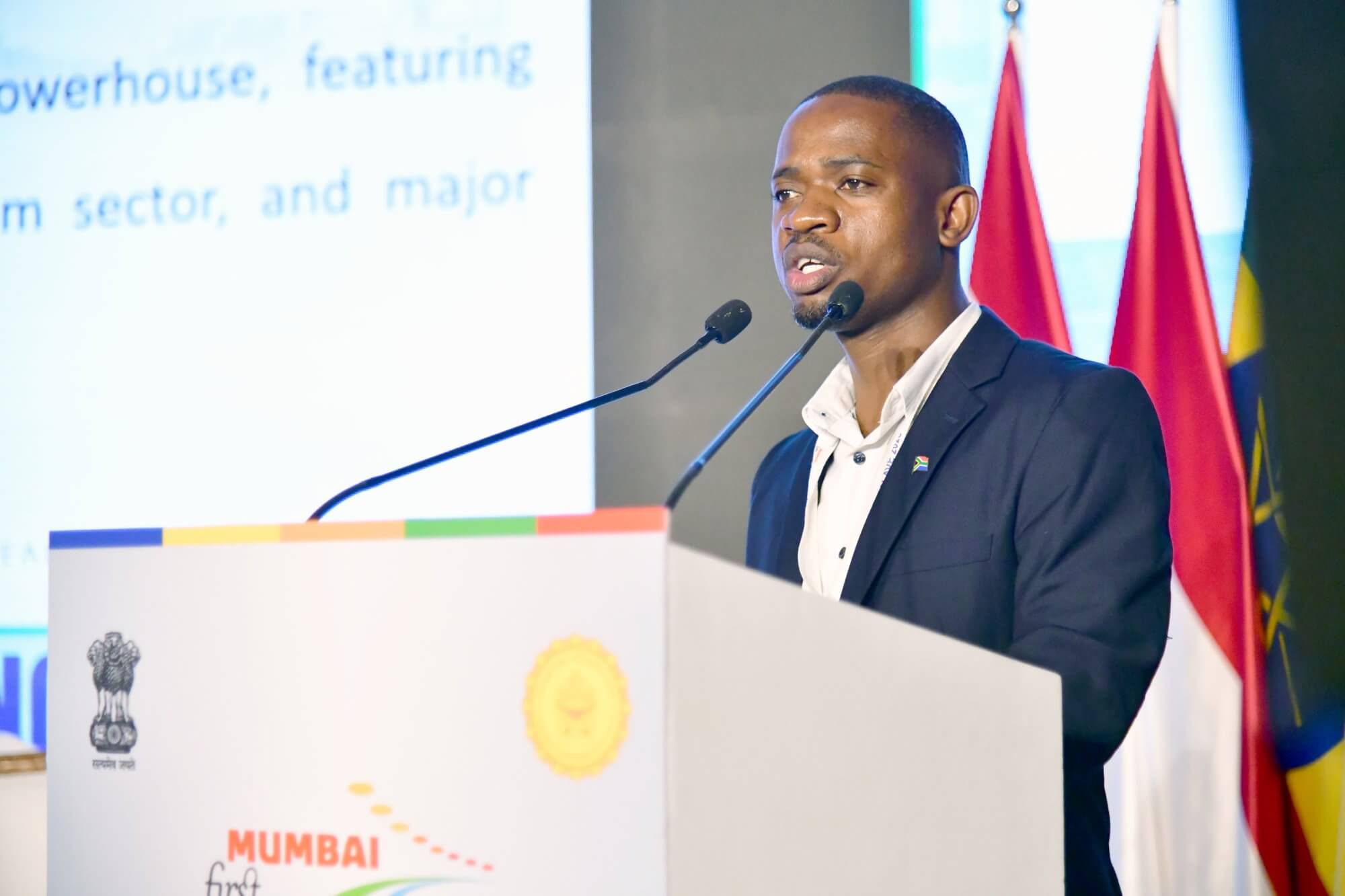
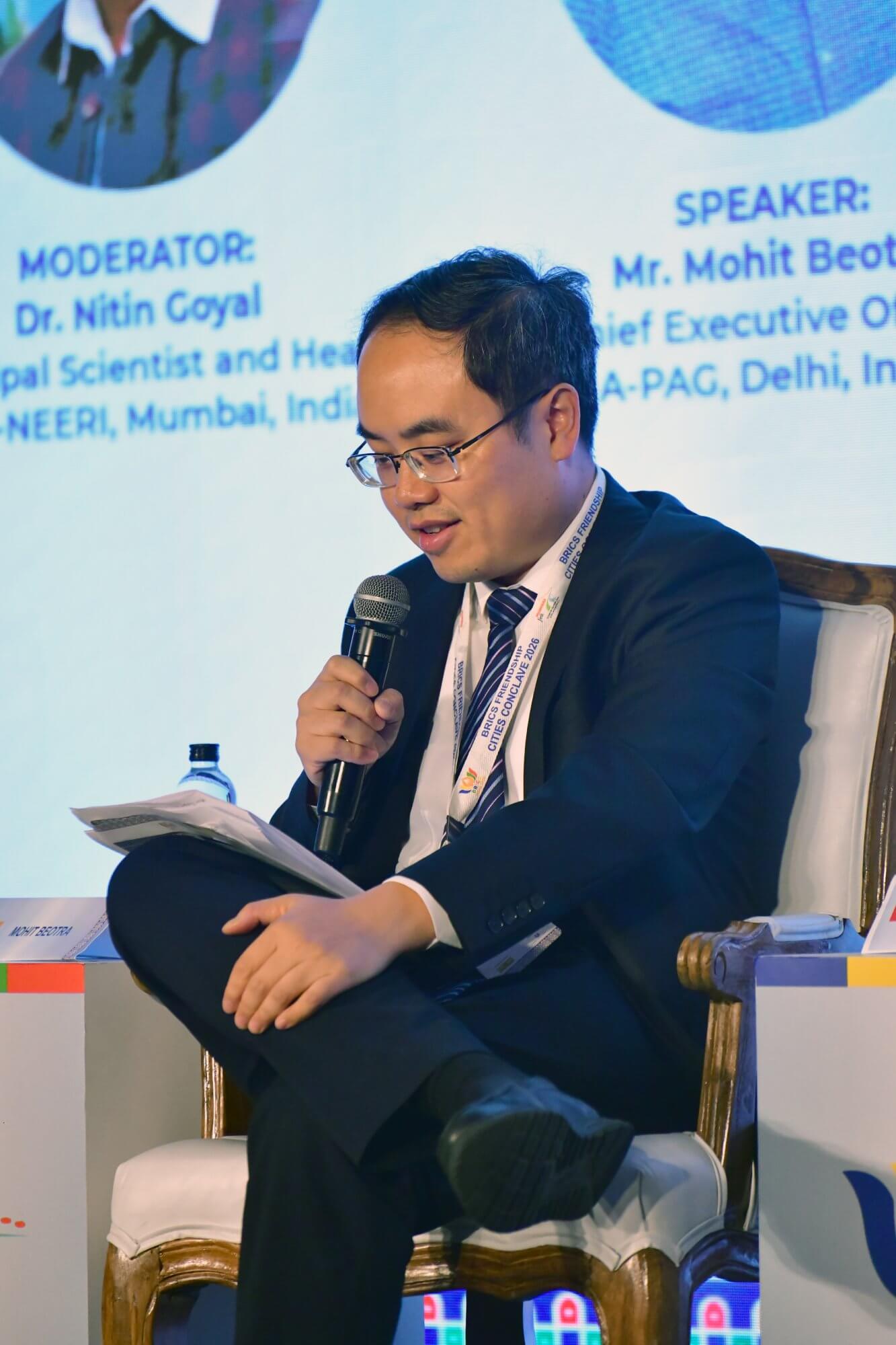
BRICS Friendship Cities Conclave 2026
Event Date: 11–12 August, 2026
Venue: Four Seasons Hotel, Mumbai
Building for Resilience, Innovation, Cooperation and Sustainability
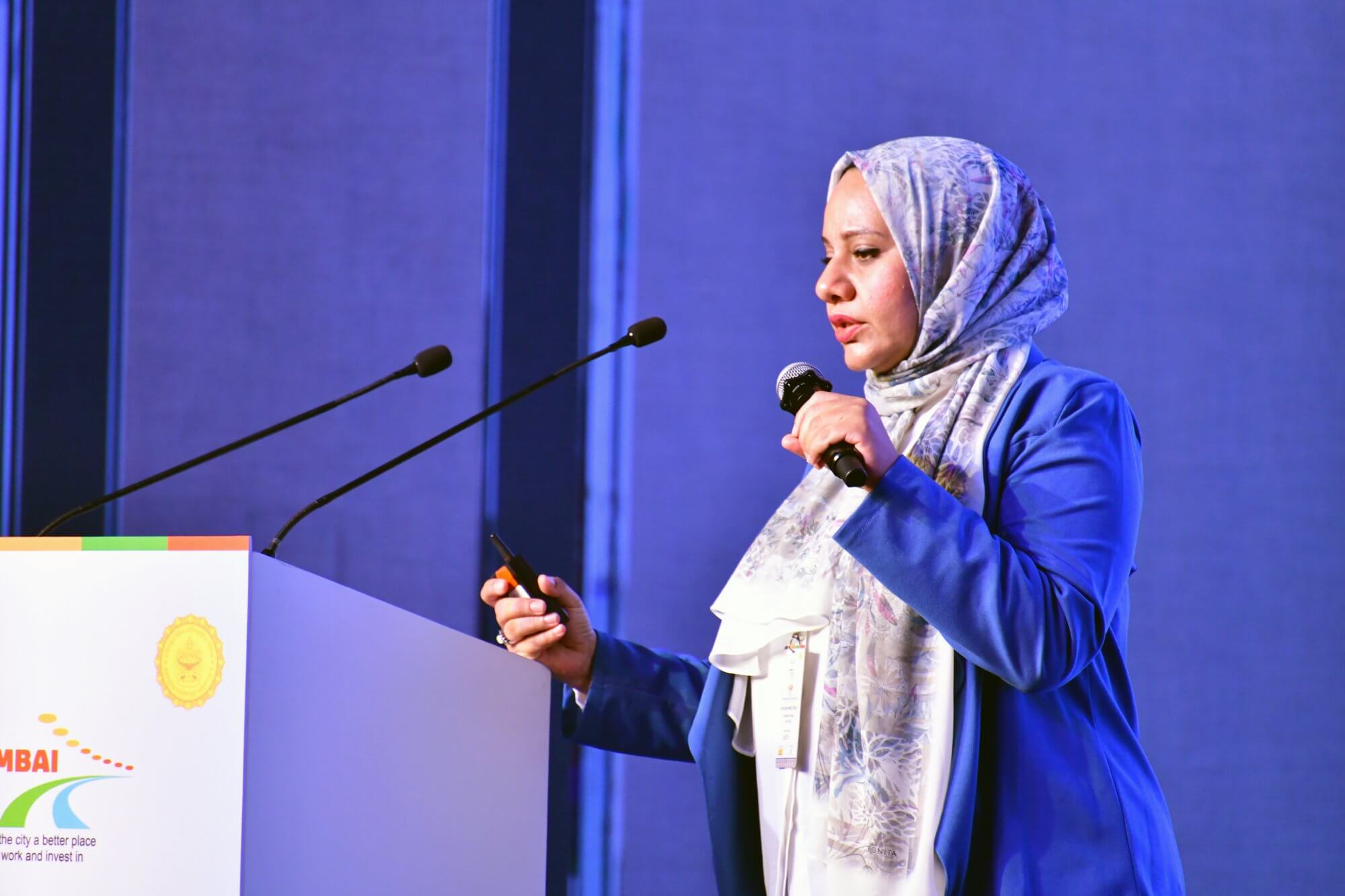
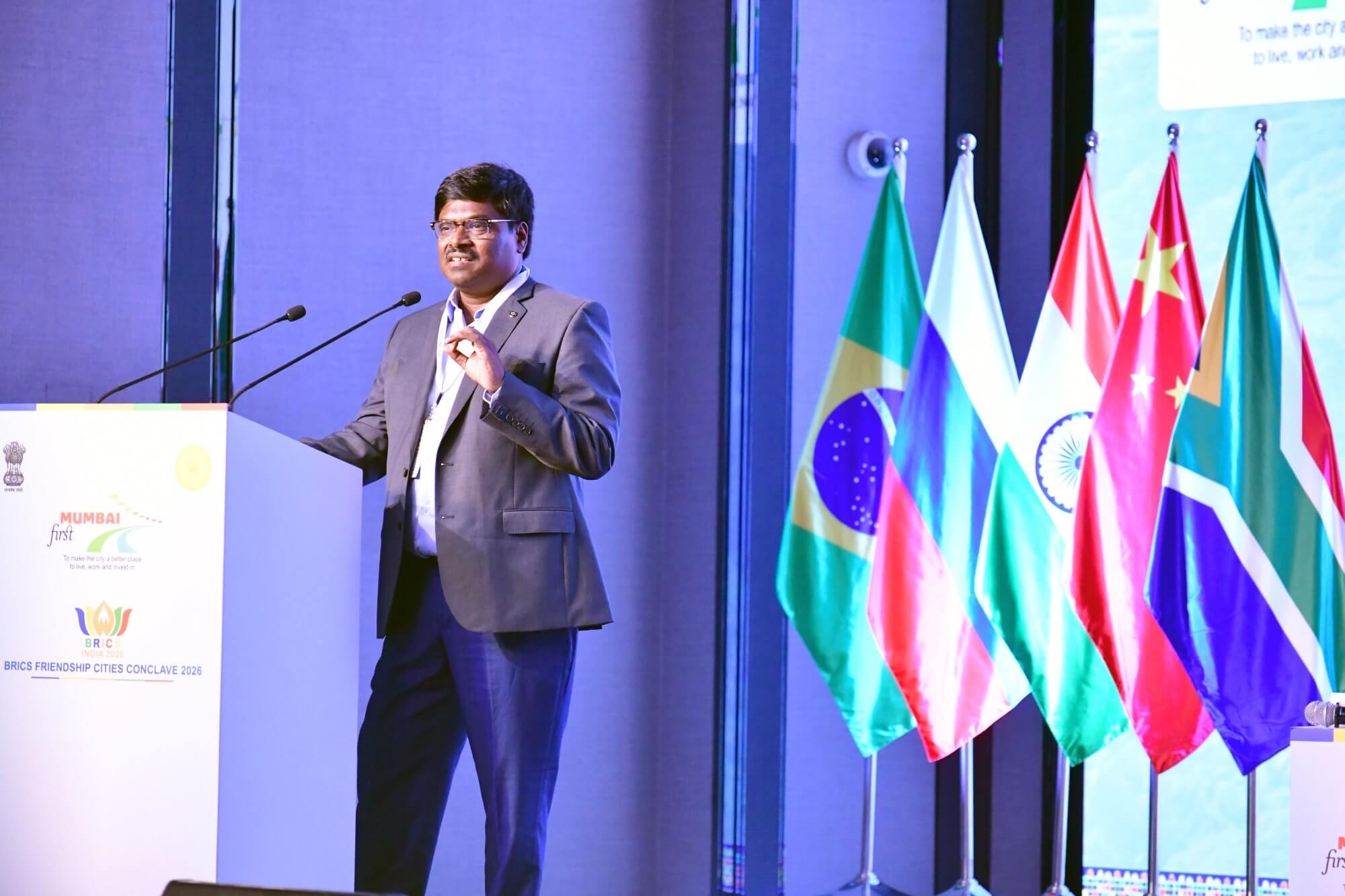
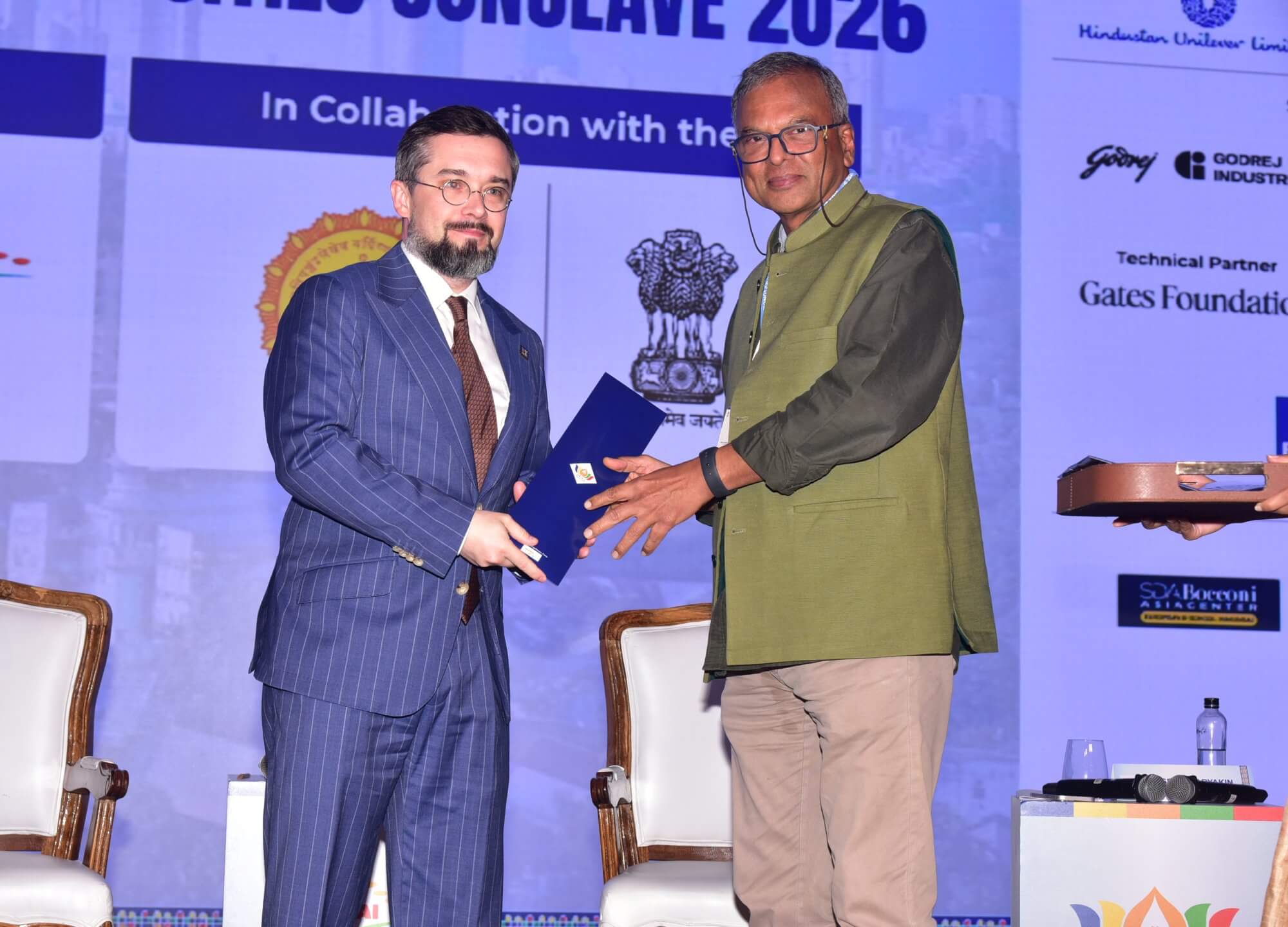
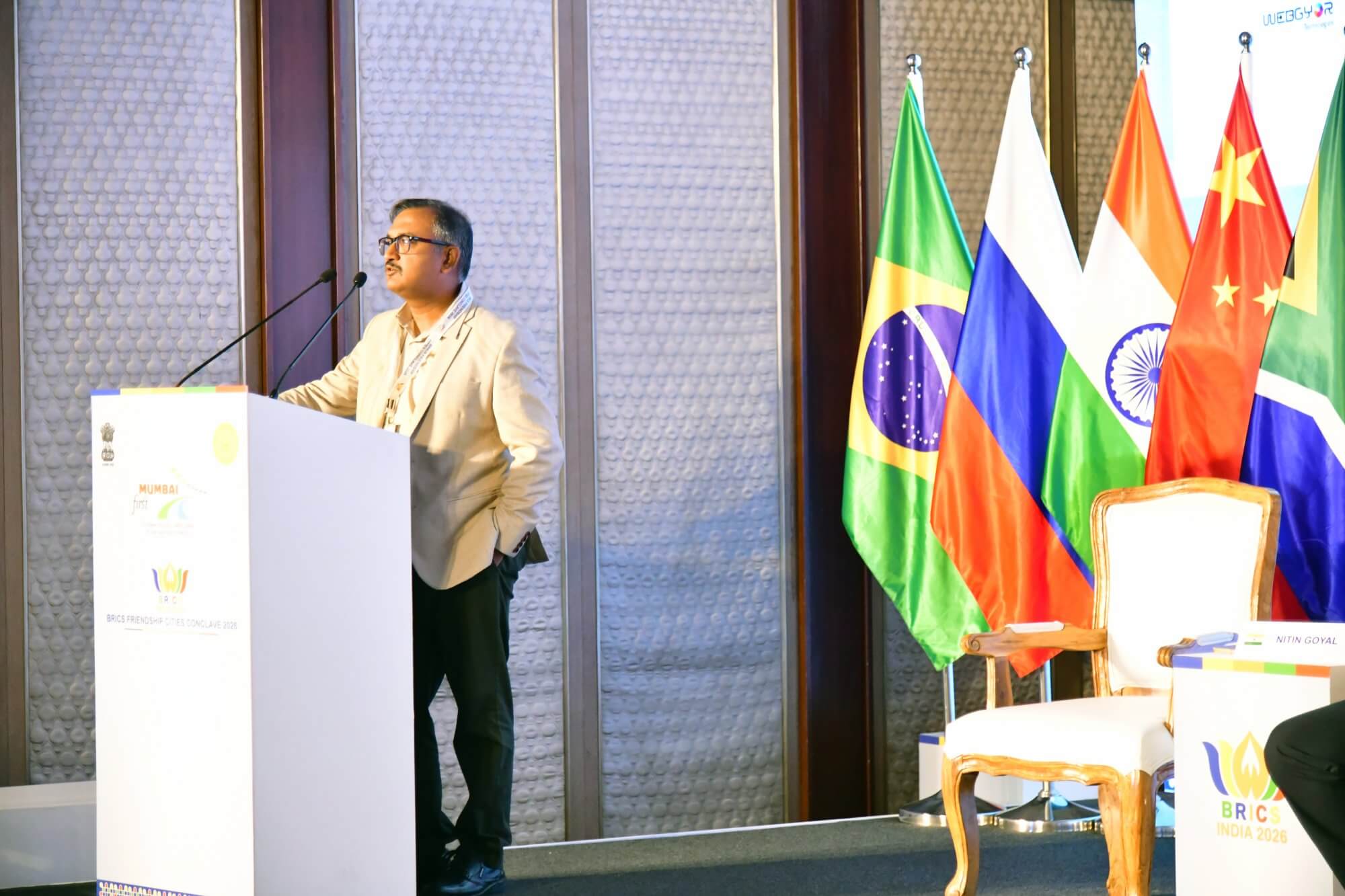
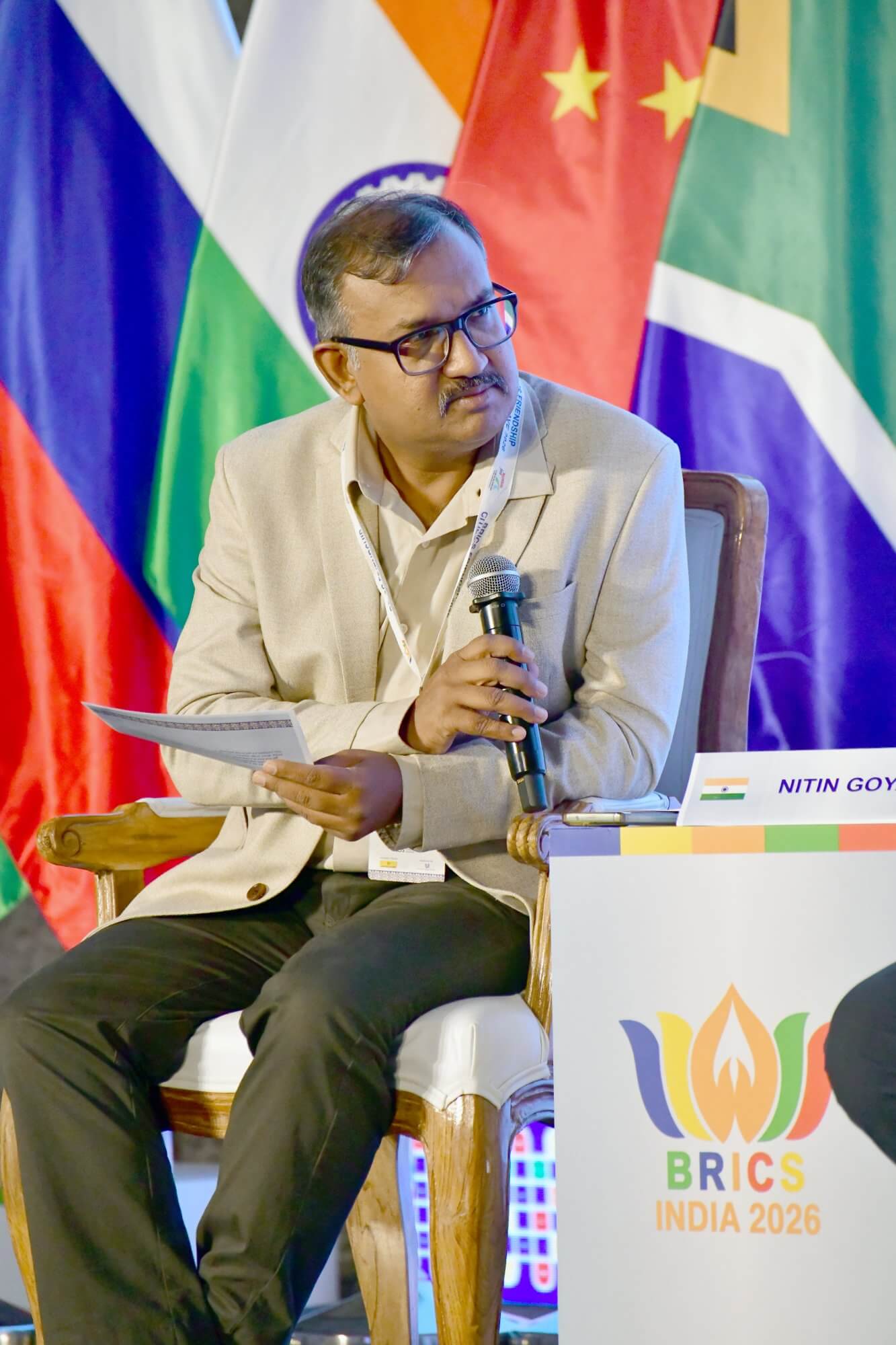
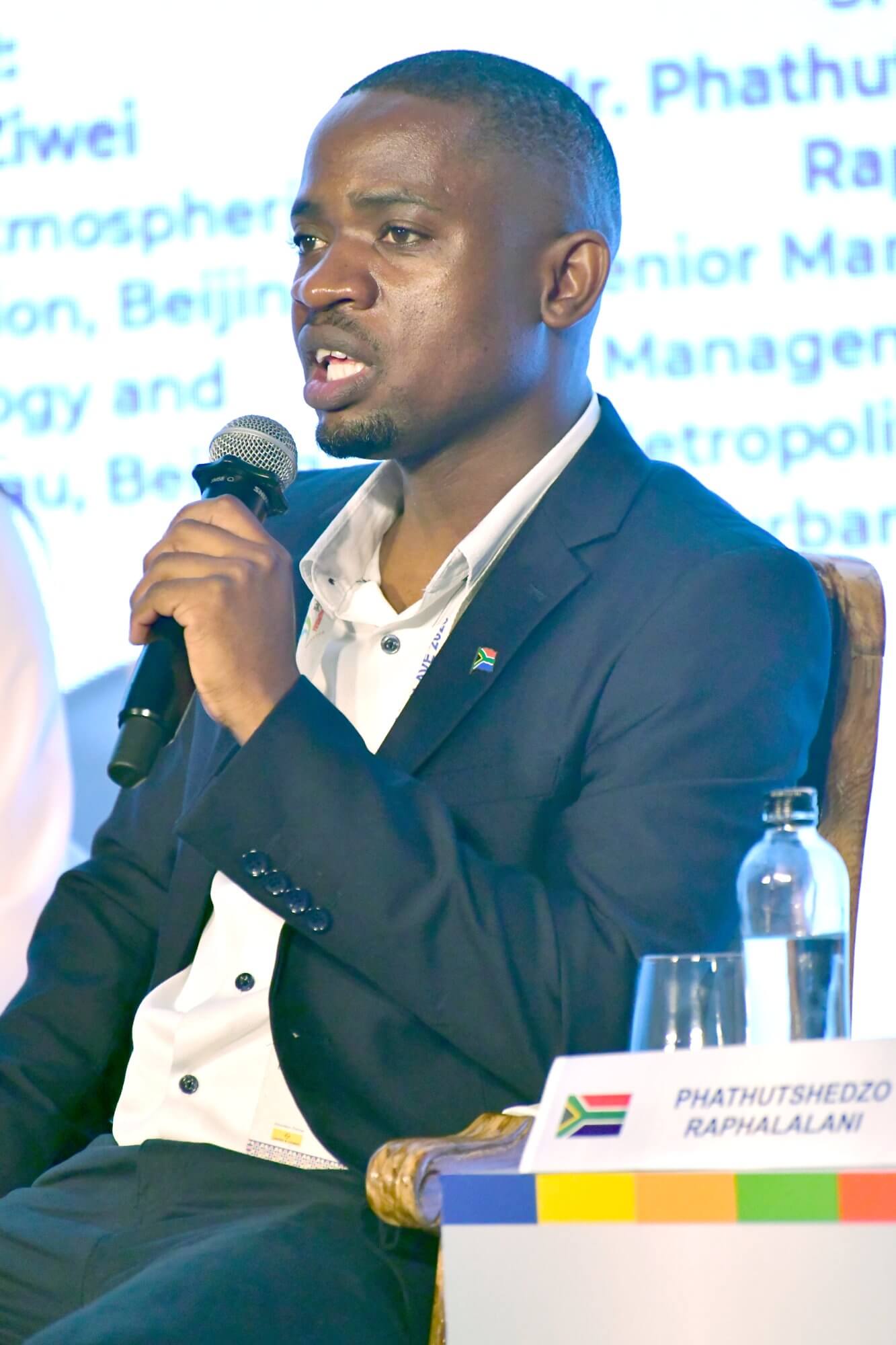
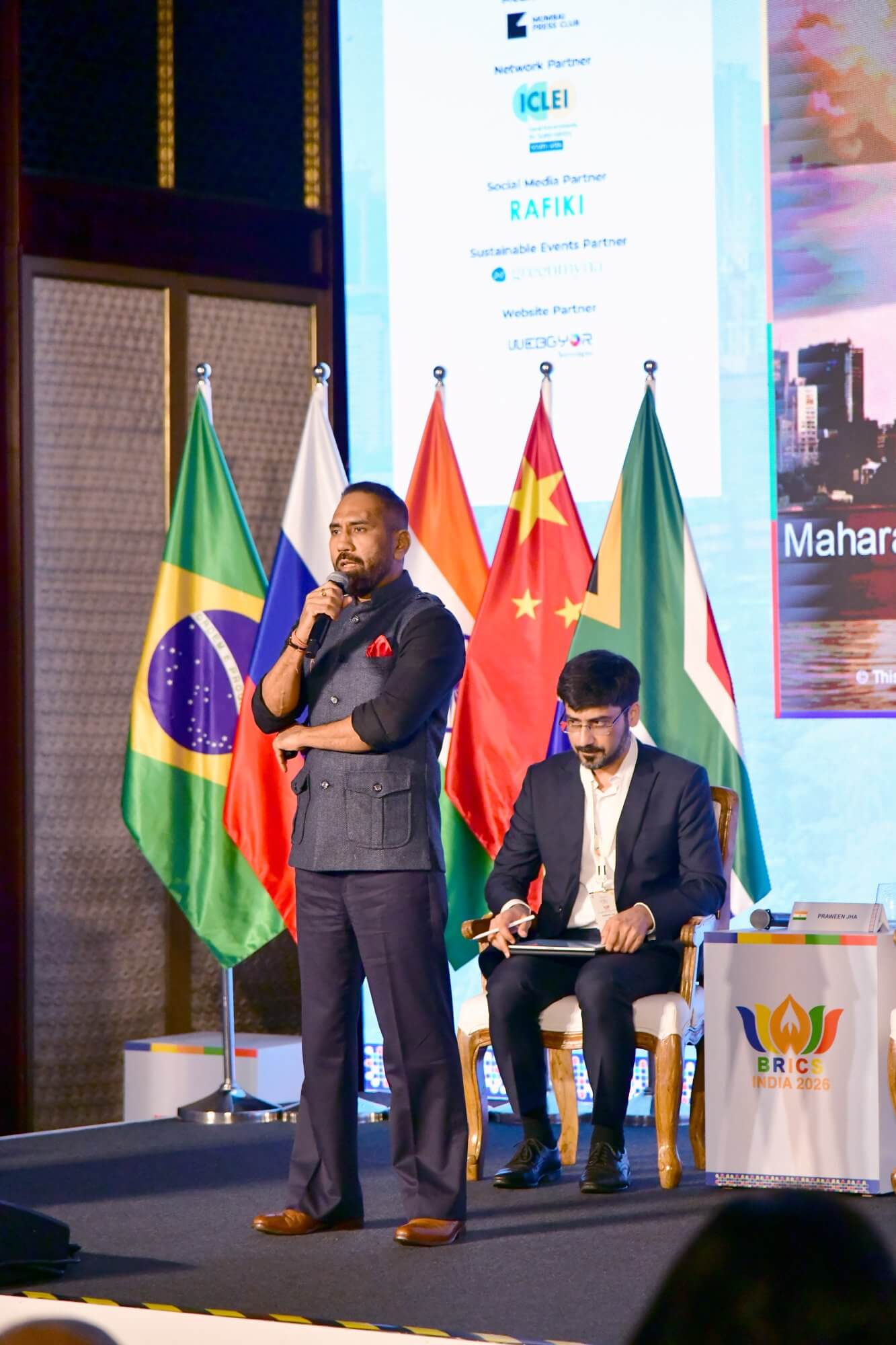
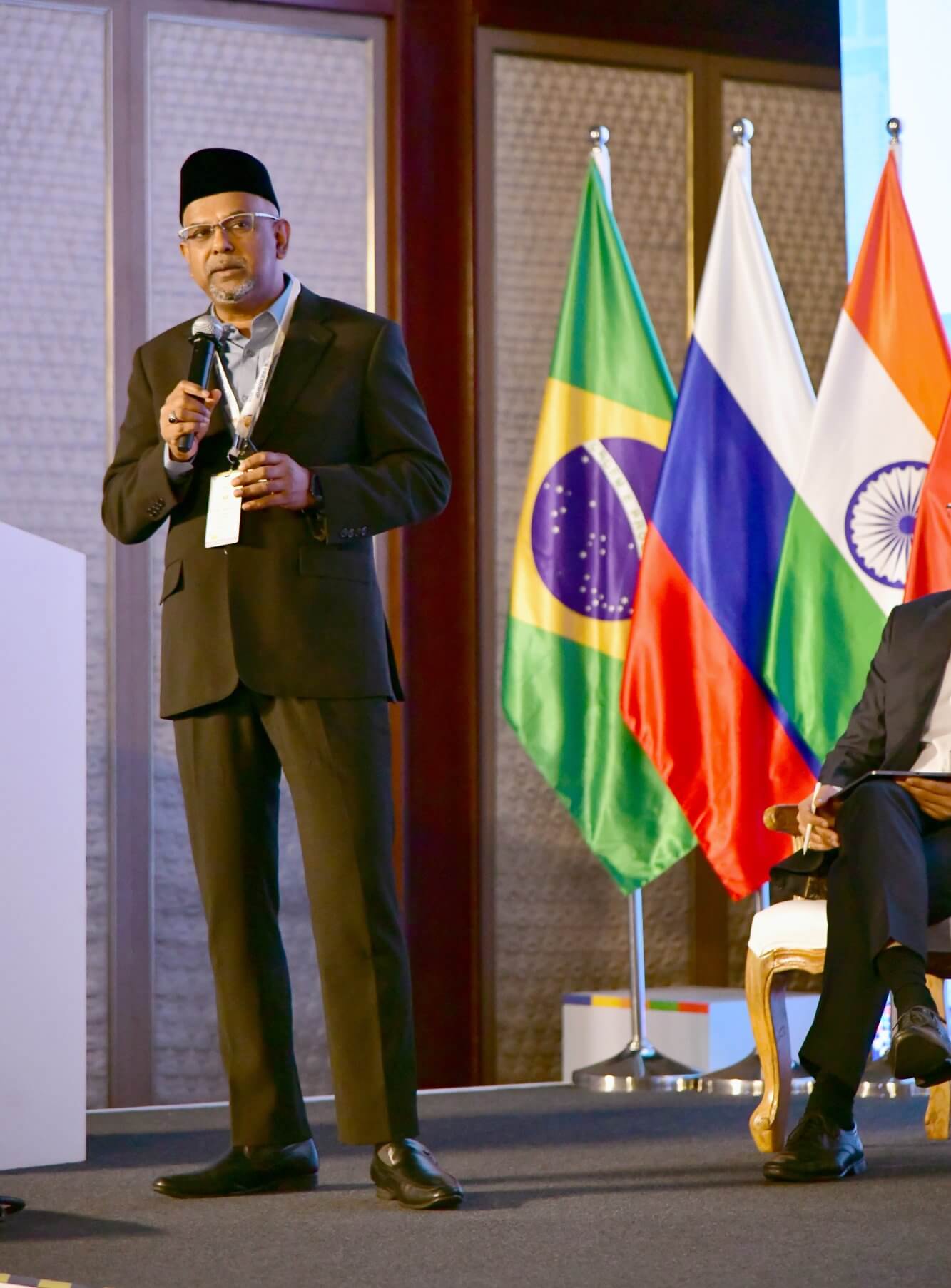
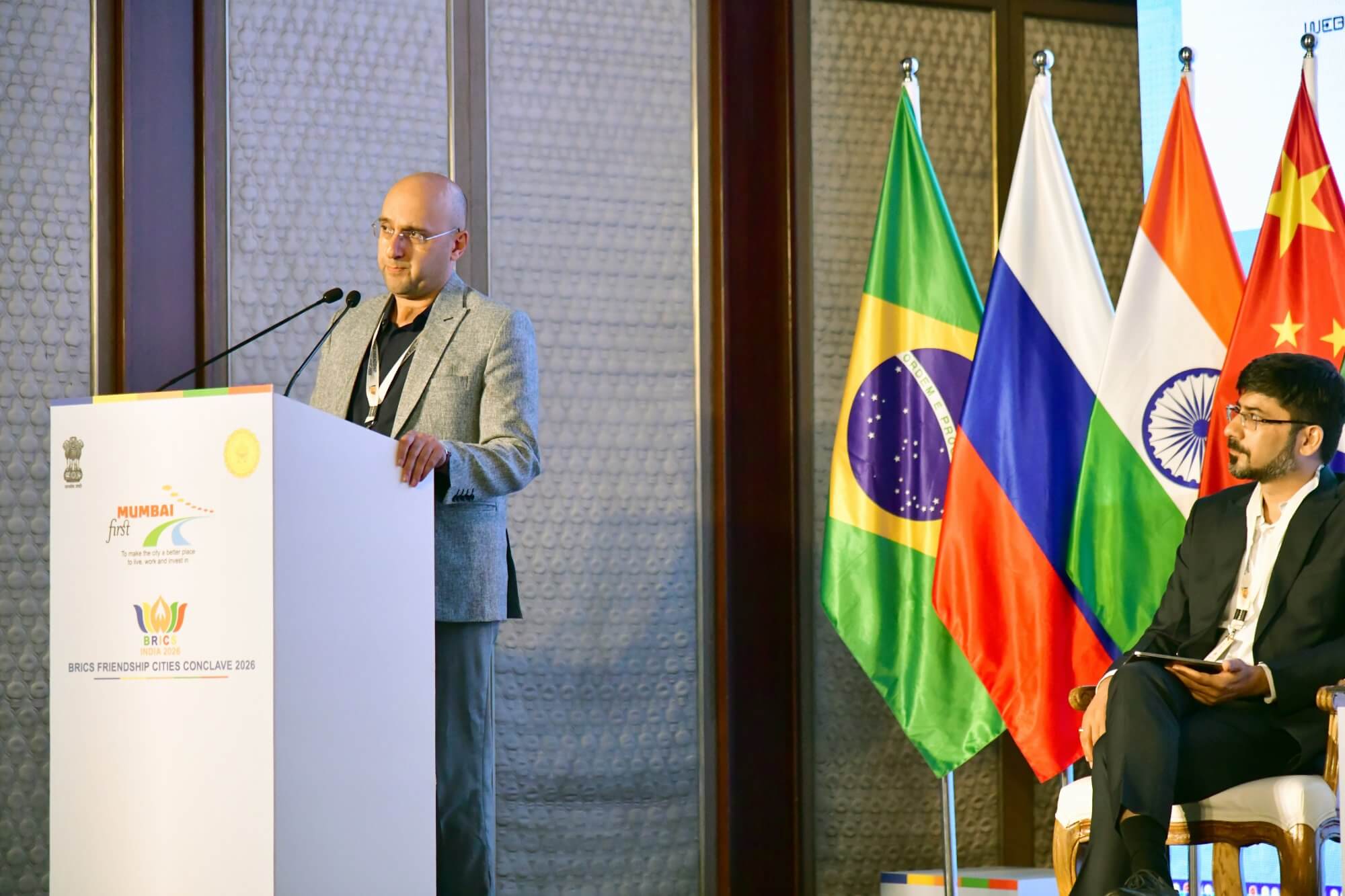
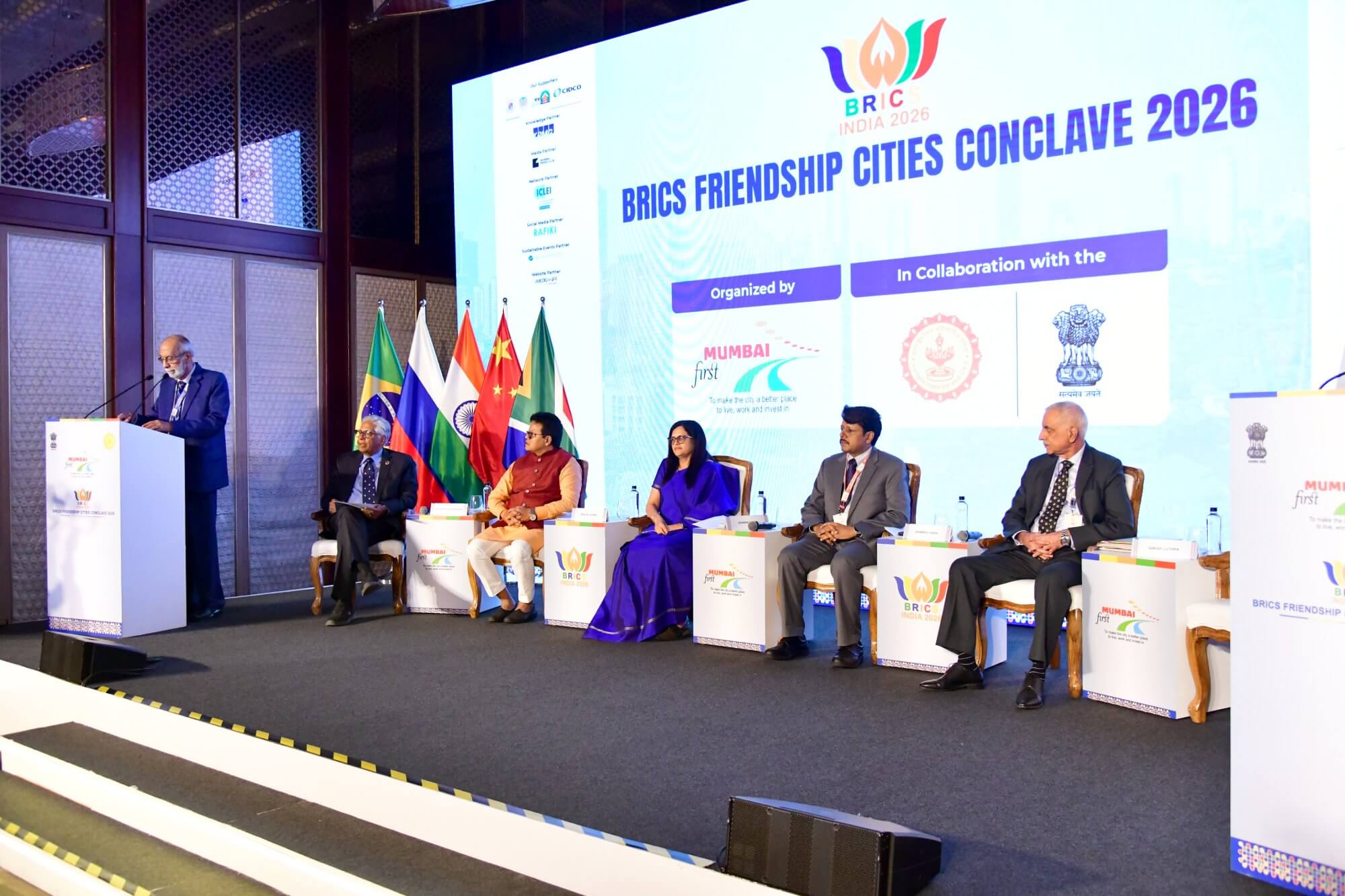
The BRICS Friendship Cities Conclave 2026, organised by Mumbai First under the aegis of the Ministry of Housing and Urban Affairs, Government of India, and in partnership with the Government of Maharashtra, was held on 11–12 August 2026 at the Four Seasons Hotel, Mumbai, under India’s BRICS Chairship 2026.
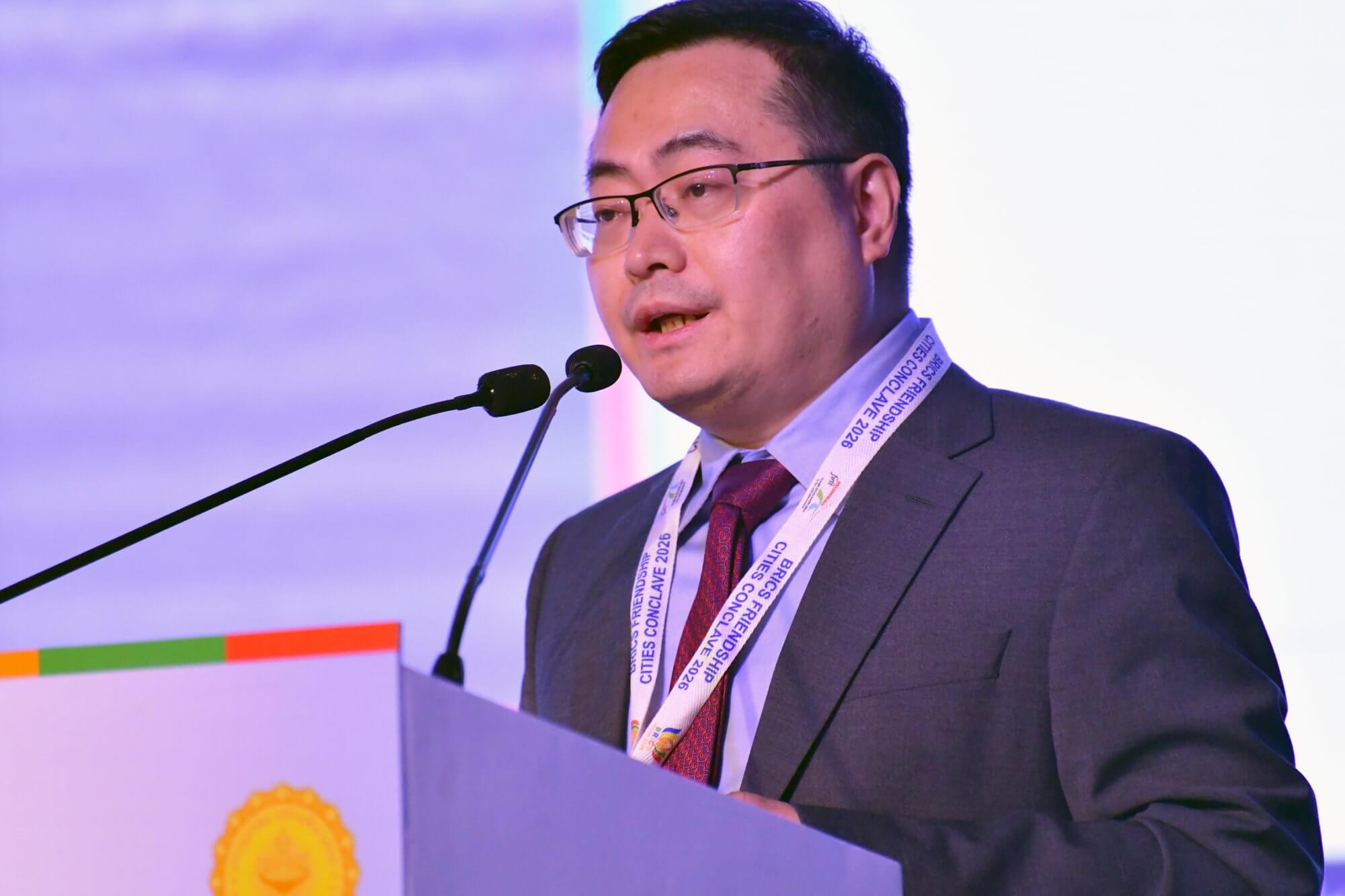
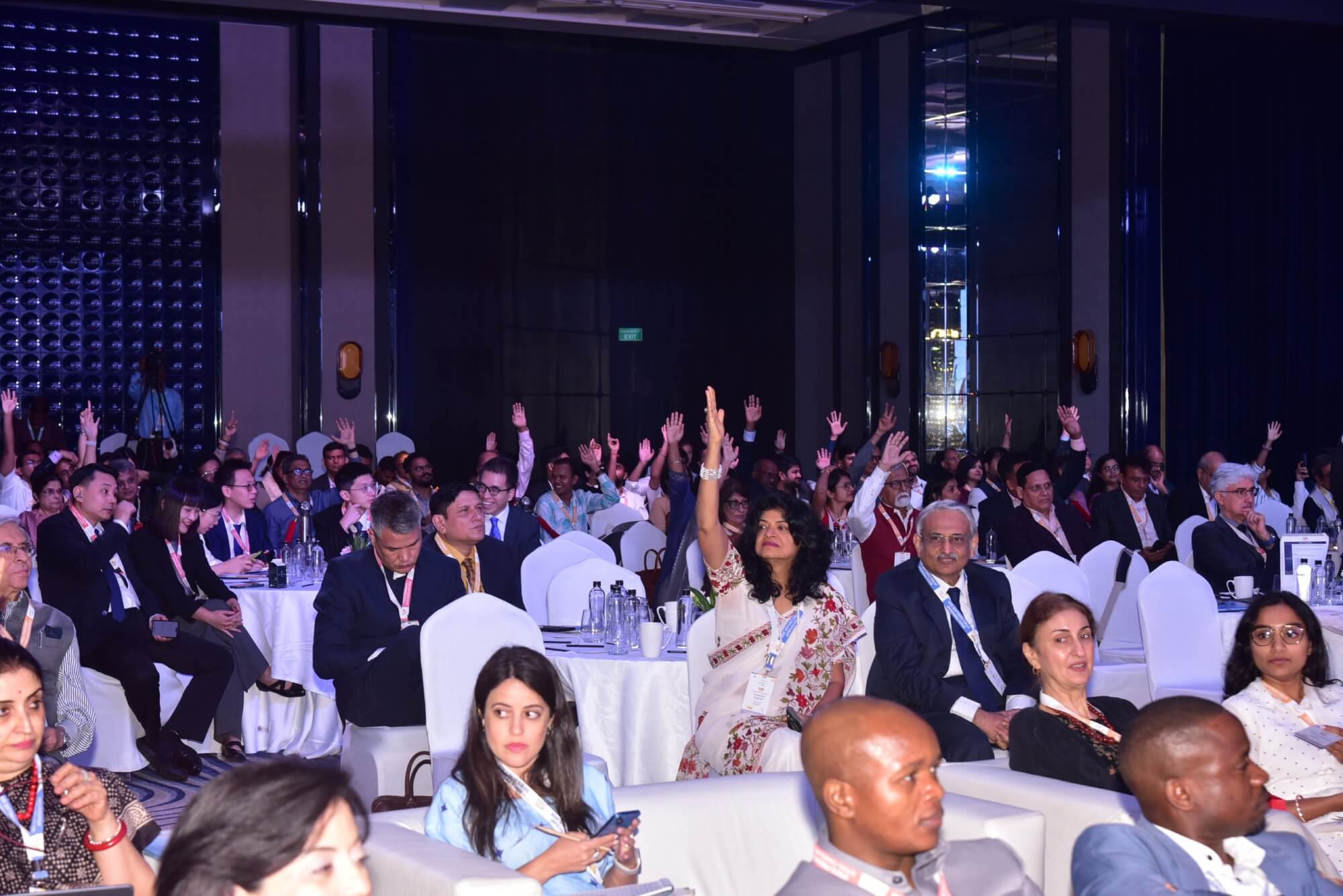
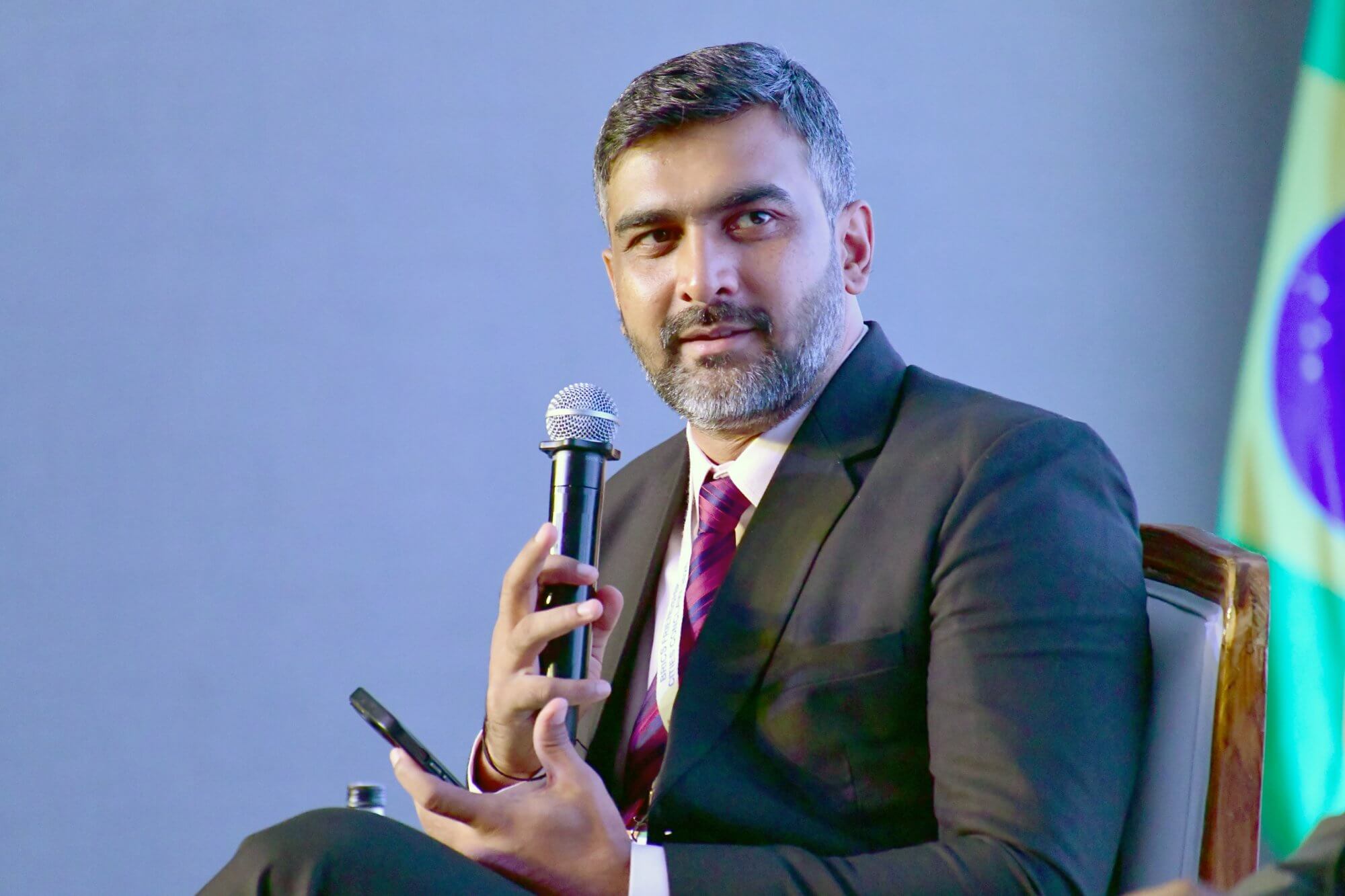
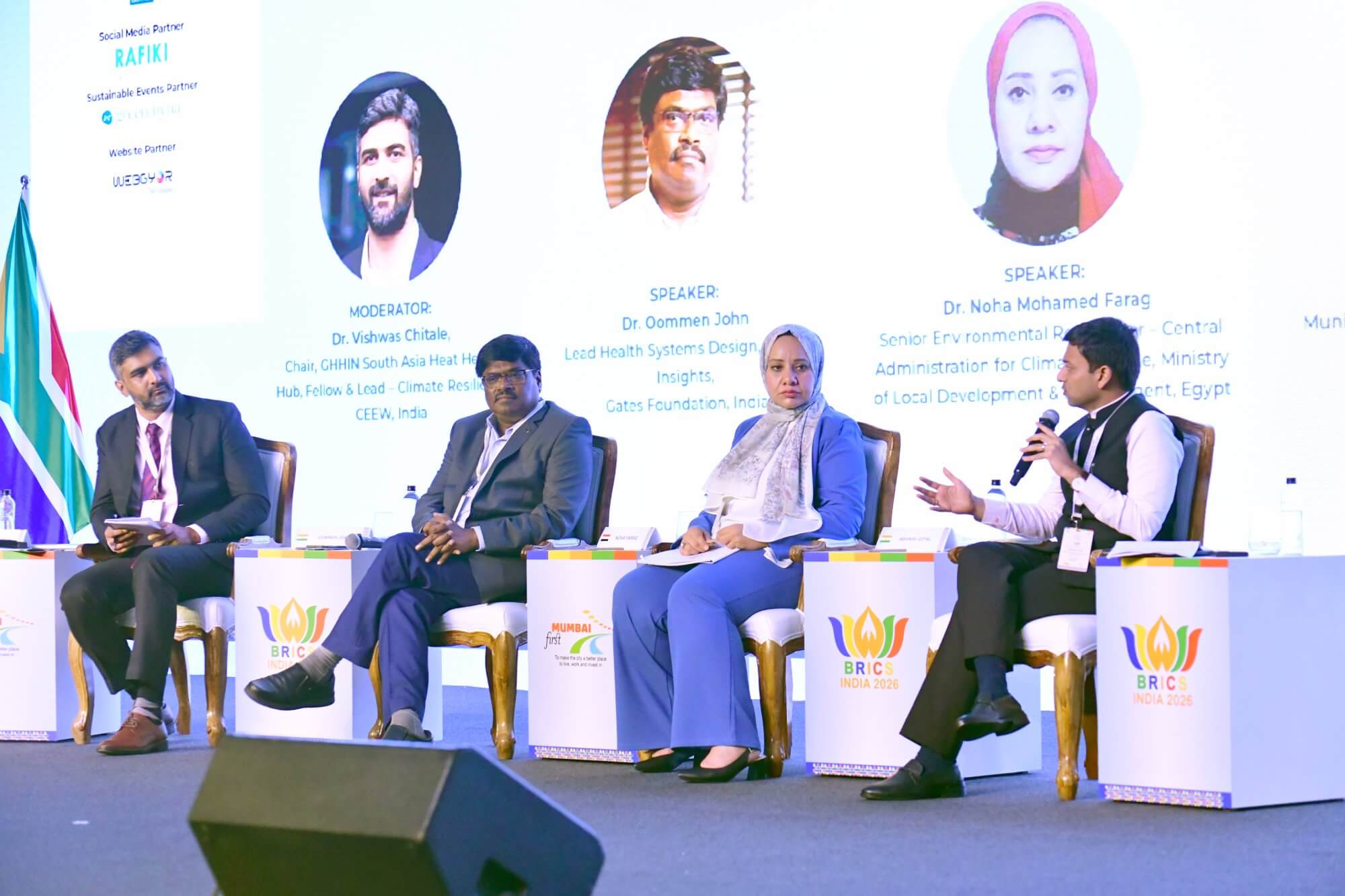
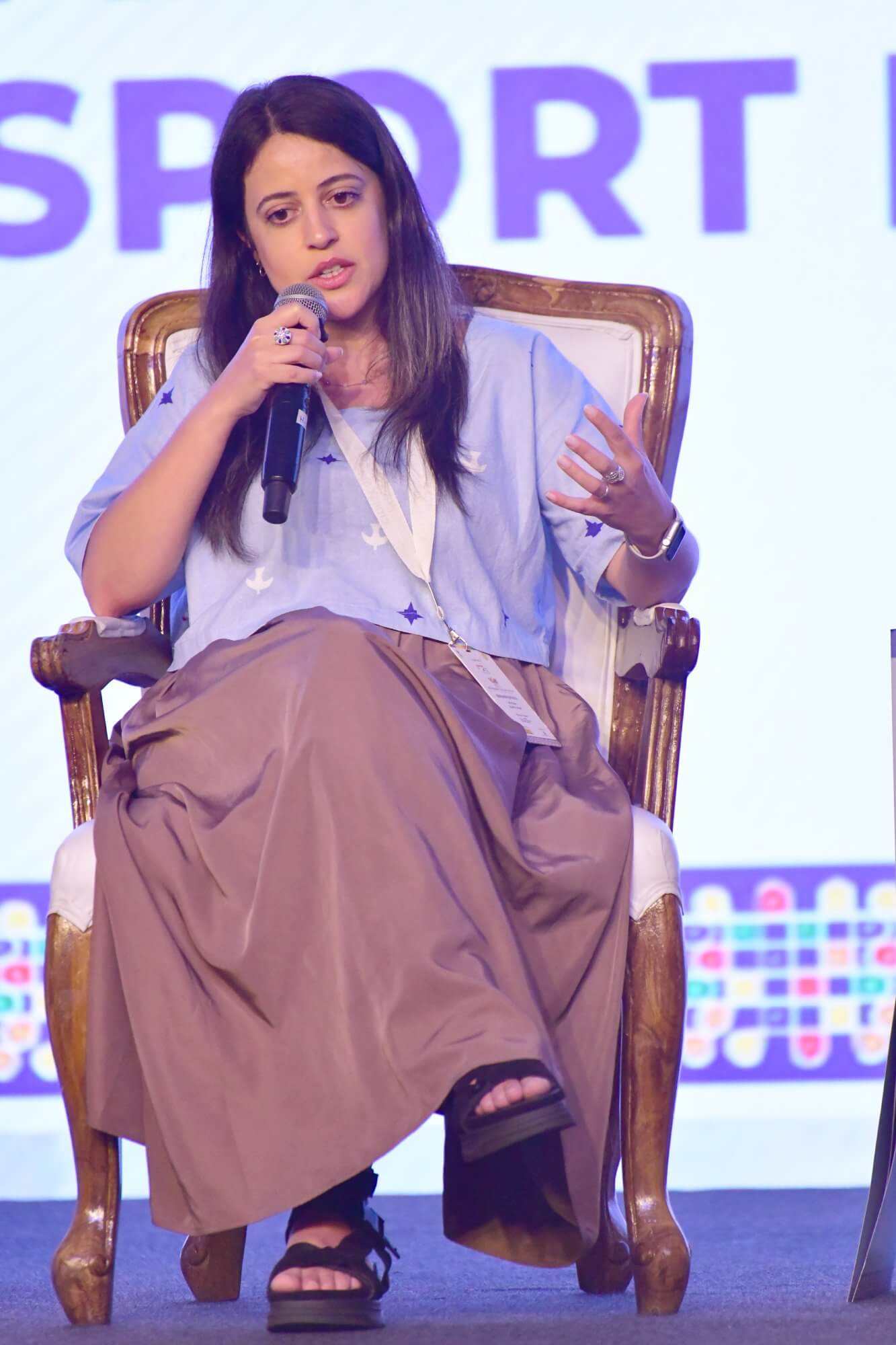
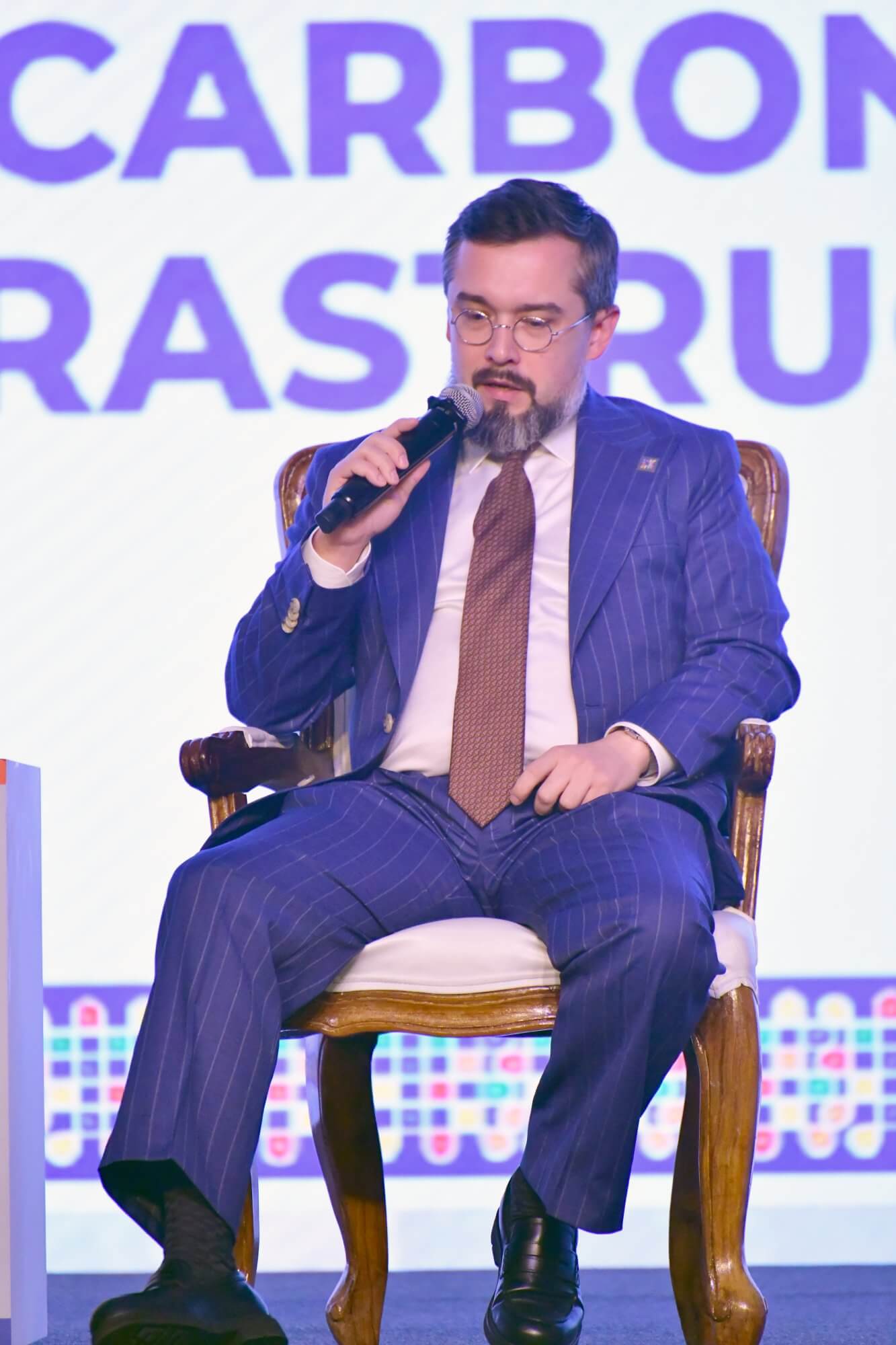
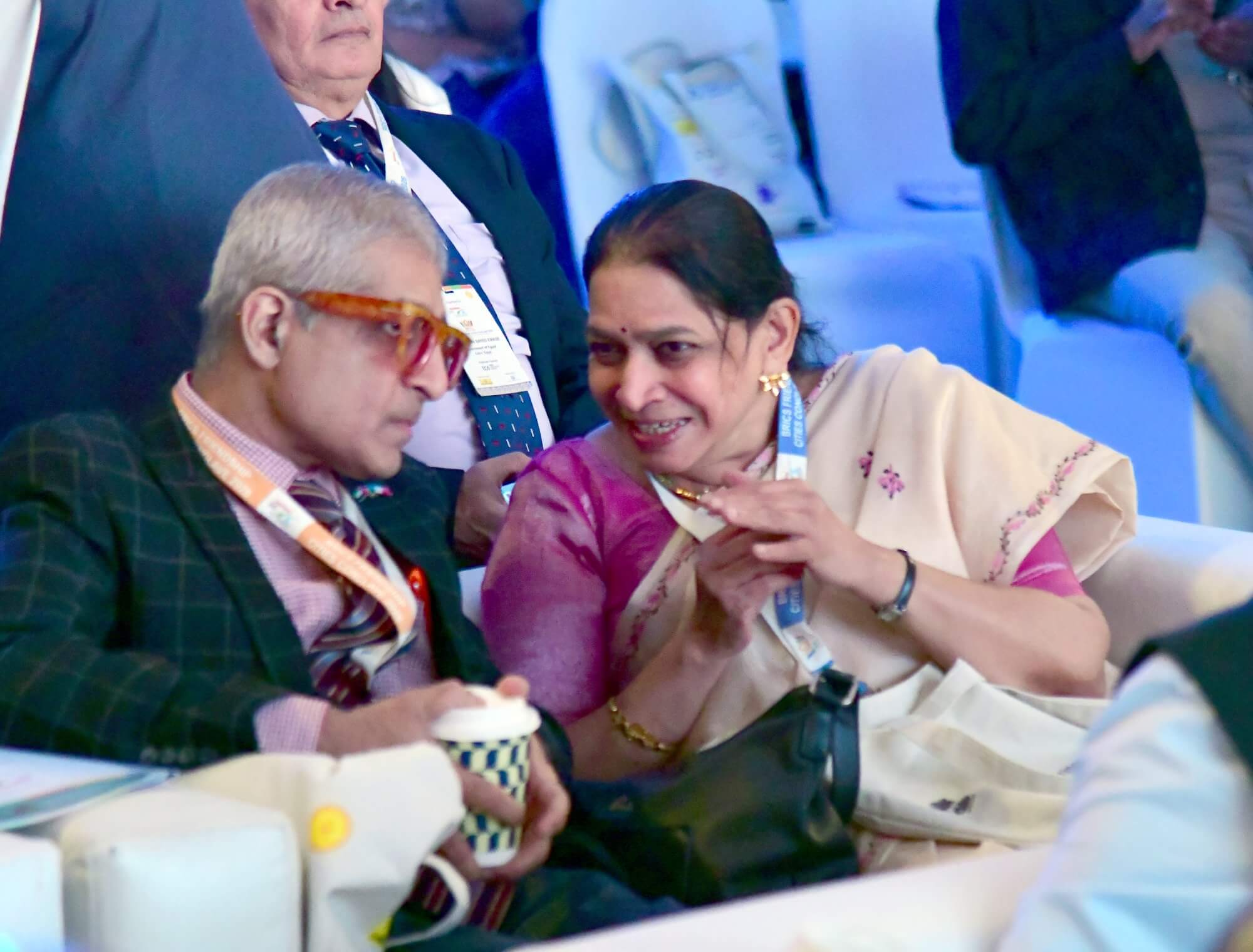
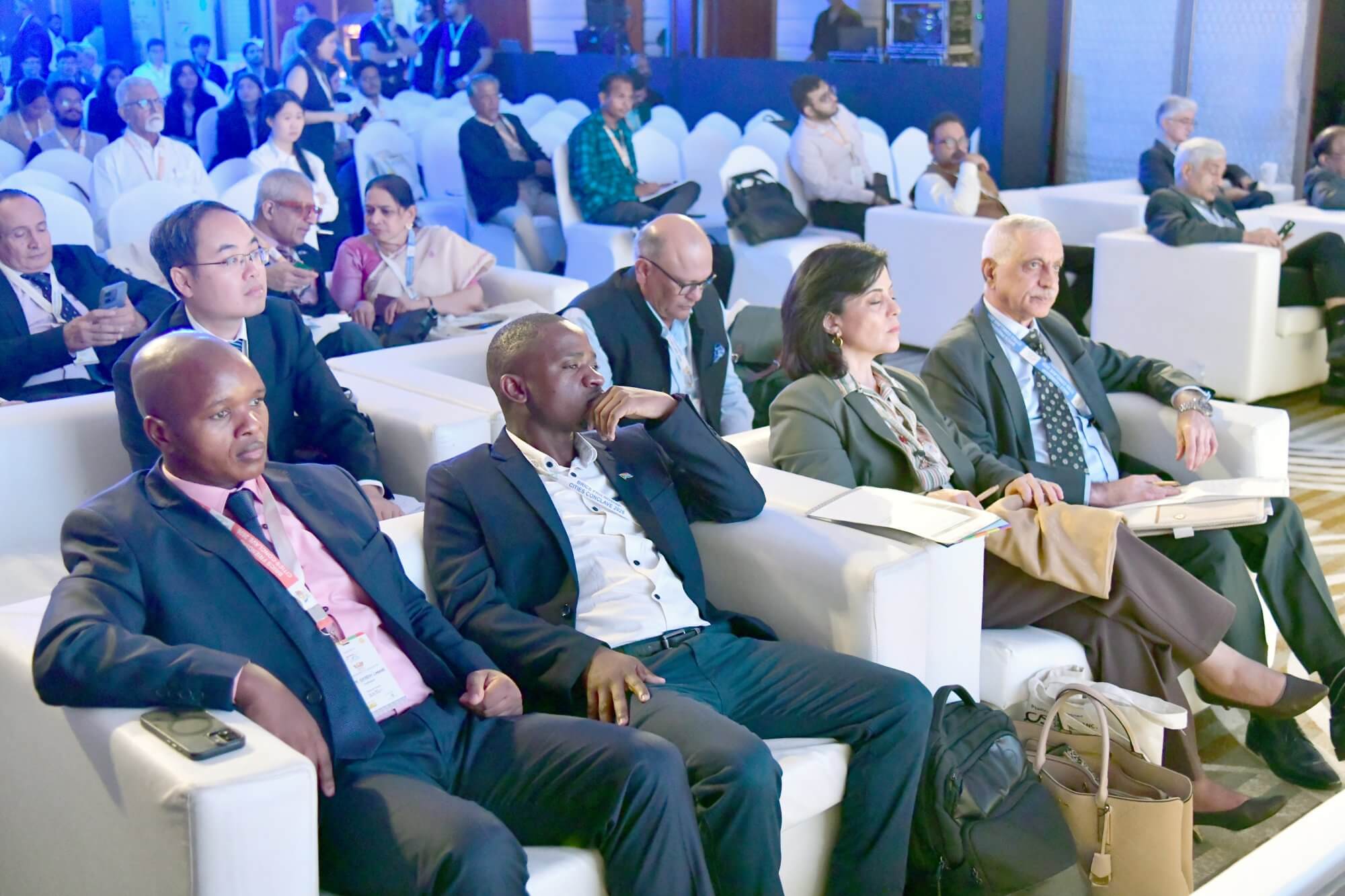
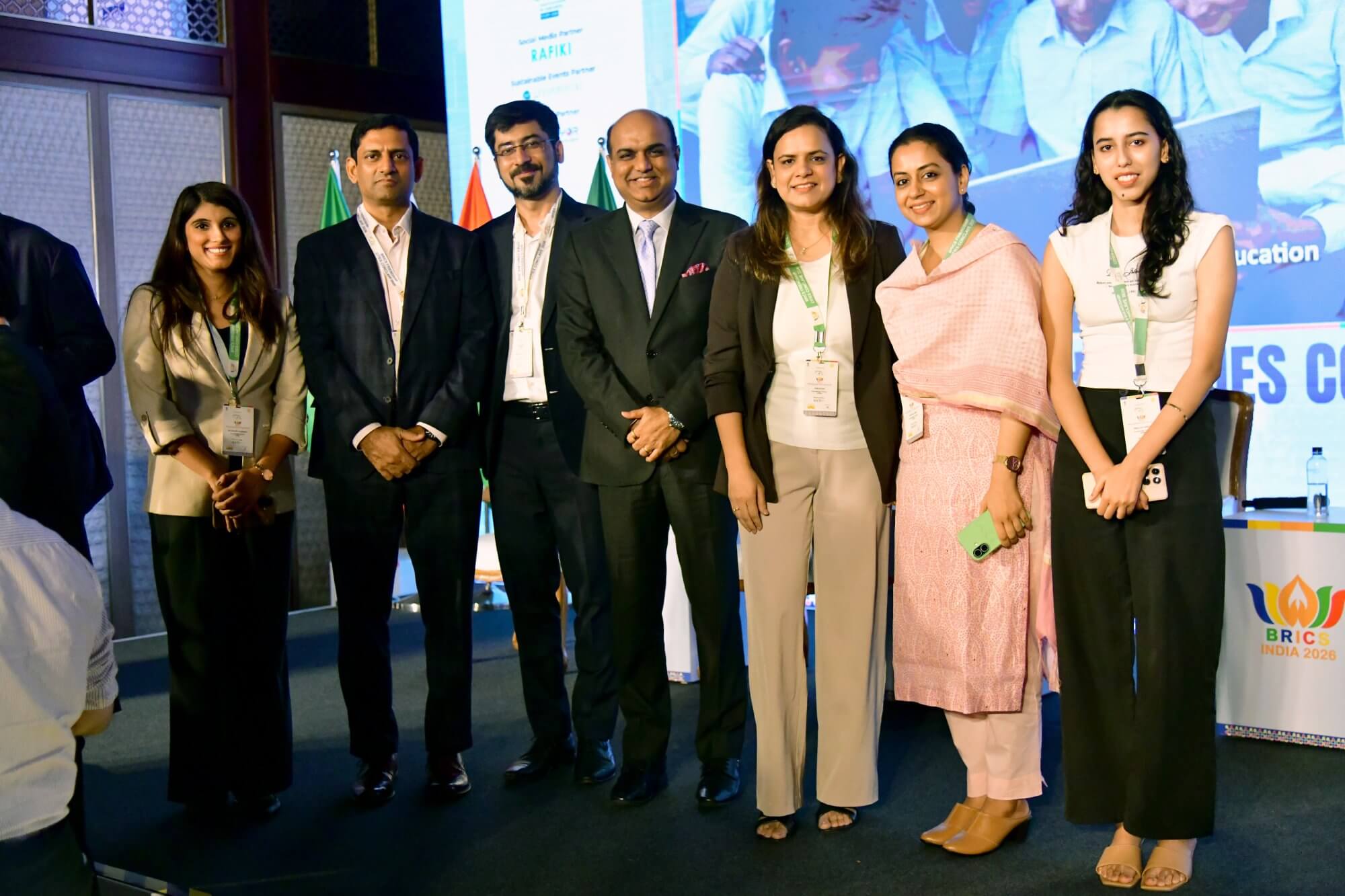
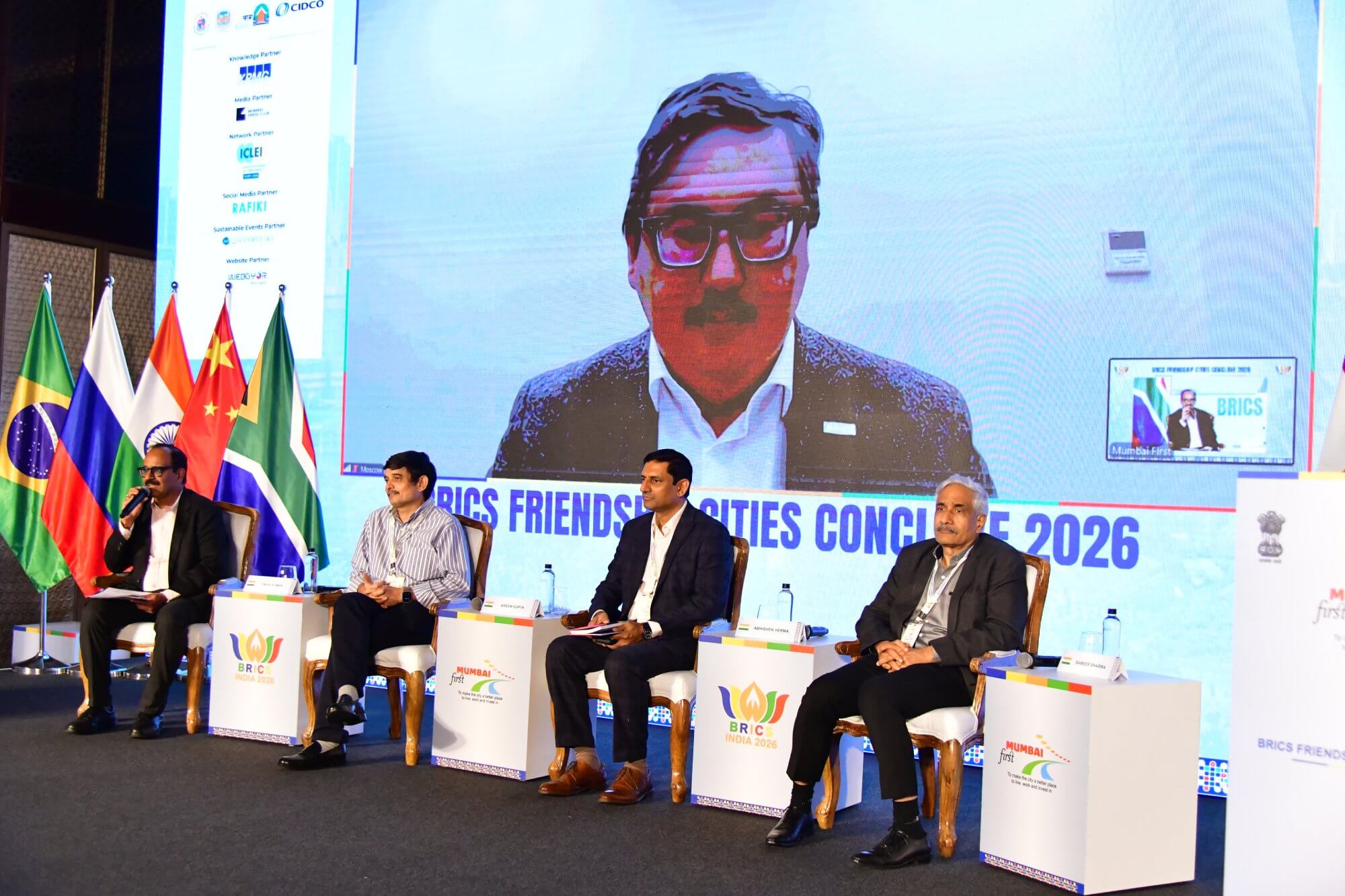
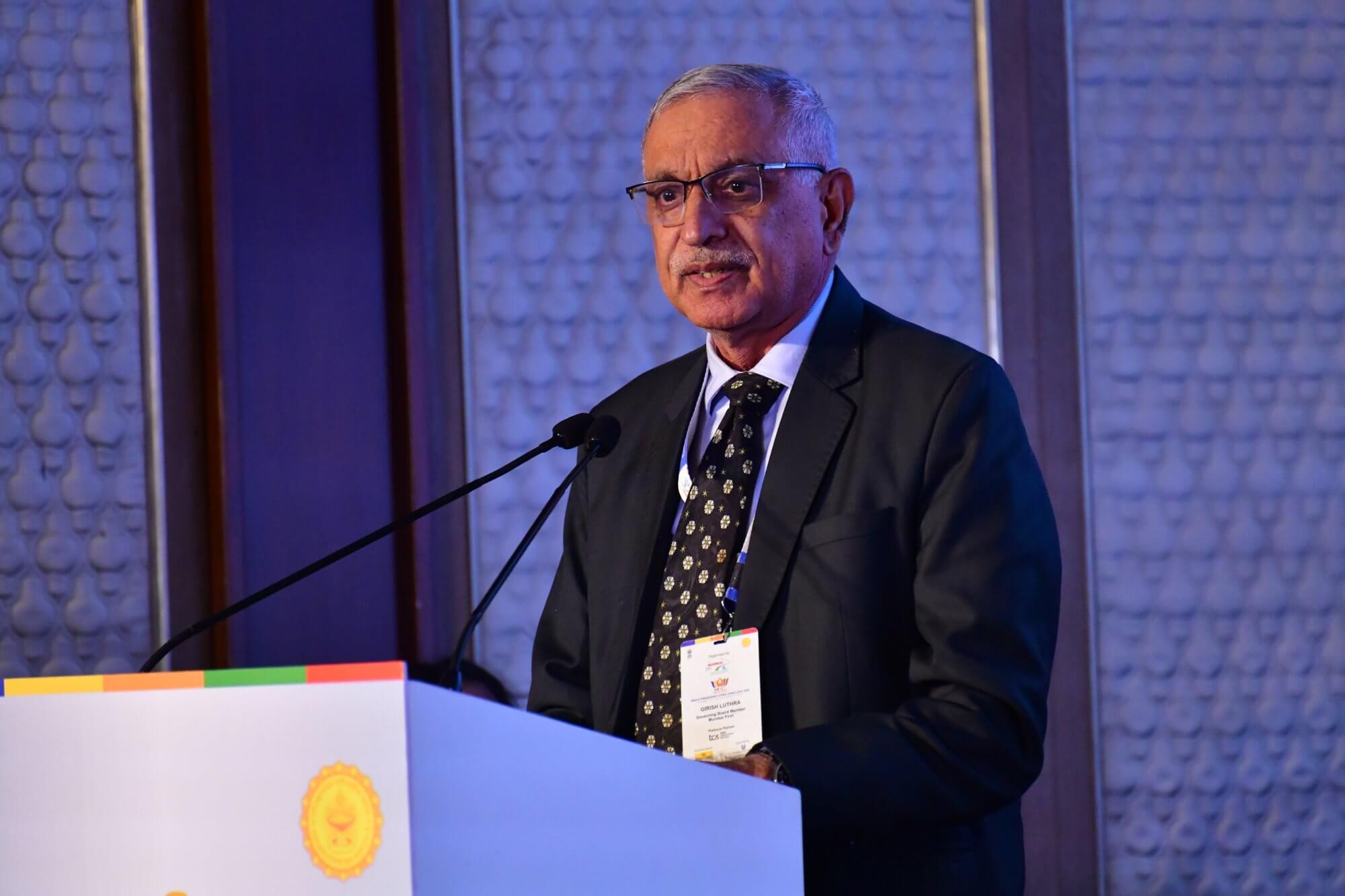
The two-day international conclave brought together city representatives, government officials, policymakers, diplomats, urban practitioners, industry leaders, academics and experts from BRICS countries and partner countries. Representatives from China, Russia, Brazil, South Africa, Indonesia, Egypt, Iran, India and Malaysia participated, creating a platform for dialogue and exchange across cities and institutions. The Conclave focused on a central premise: that many of the challenges facing cities today transcend national boundaries, and that city-to-city cooperation can enable the exchange of practical knowledge, technologies and solutions.
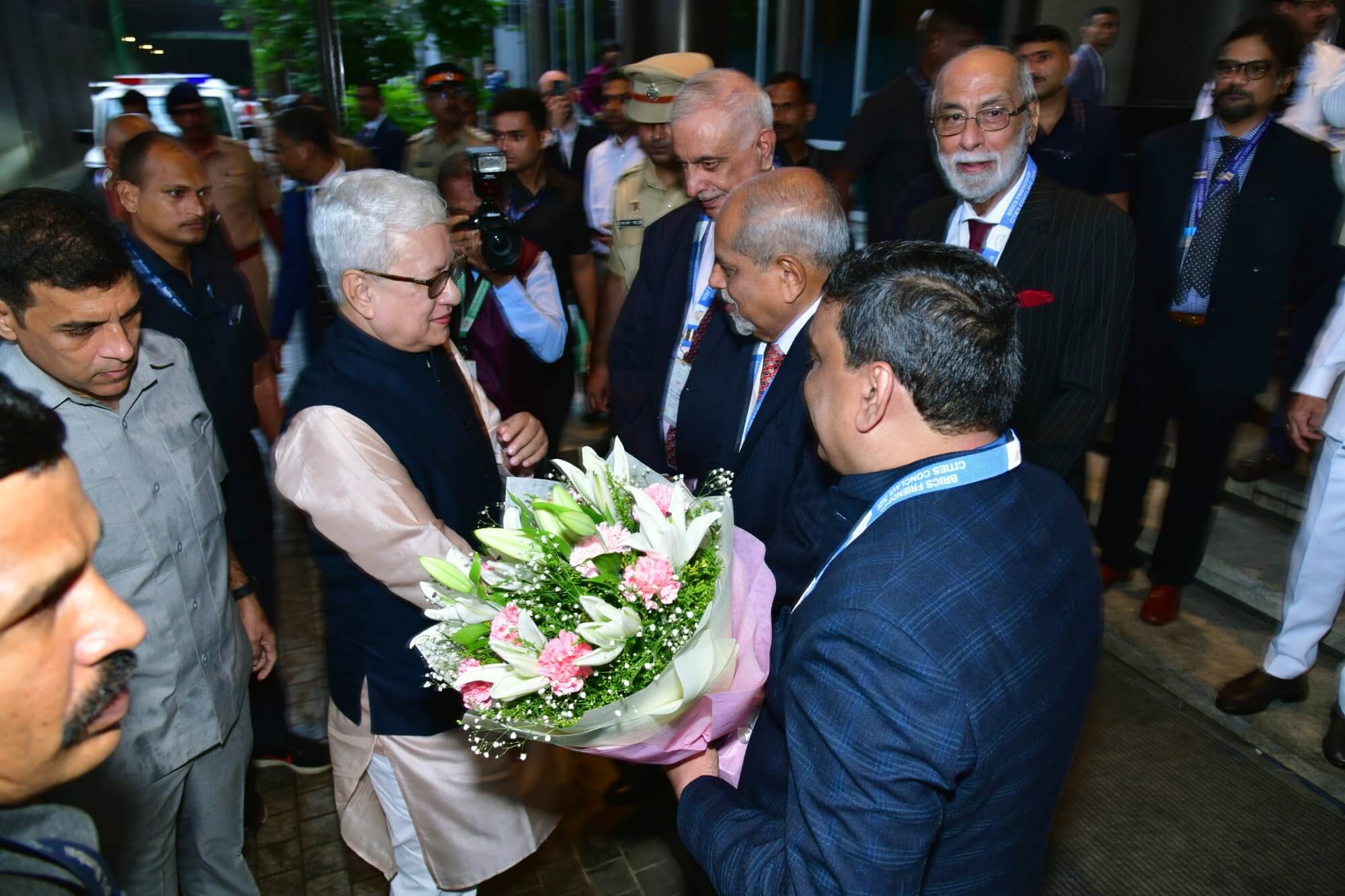
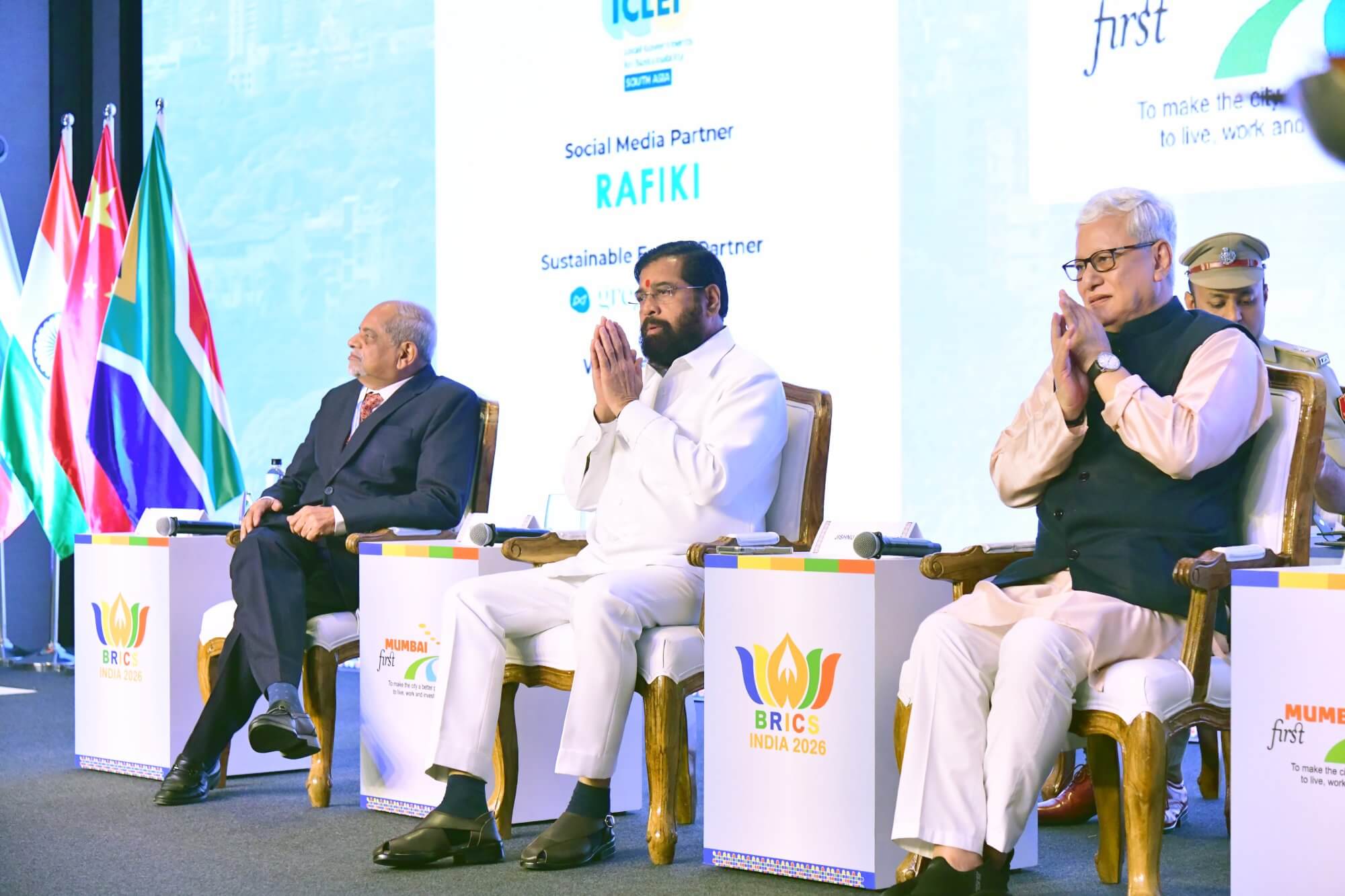
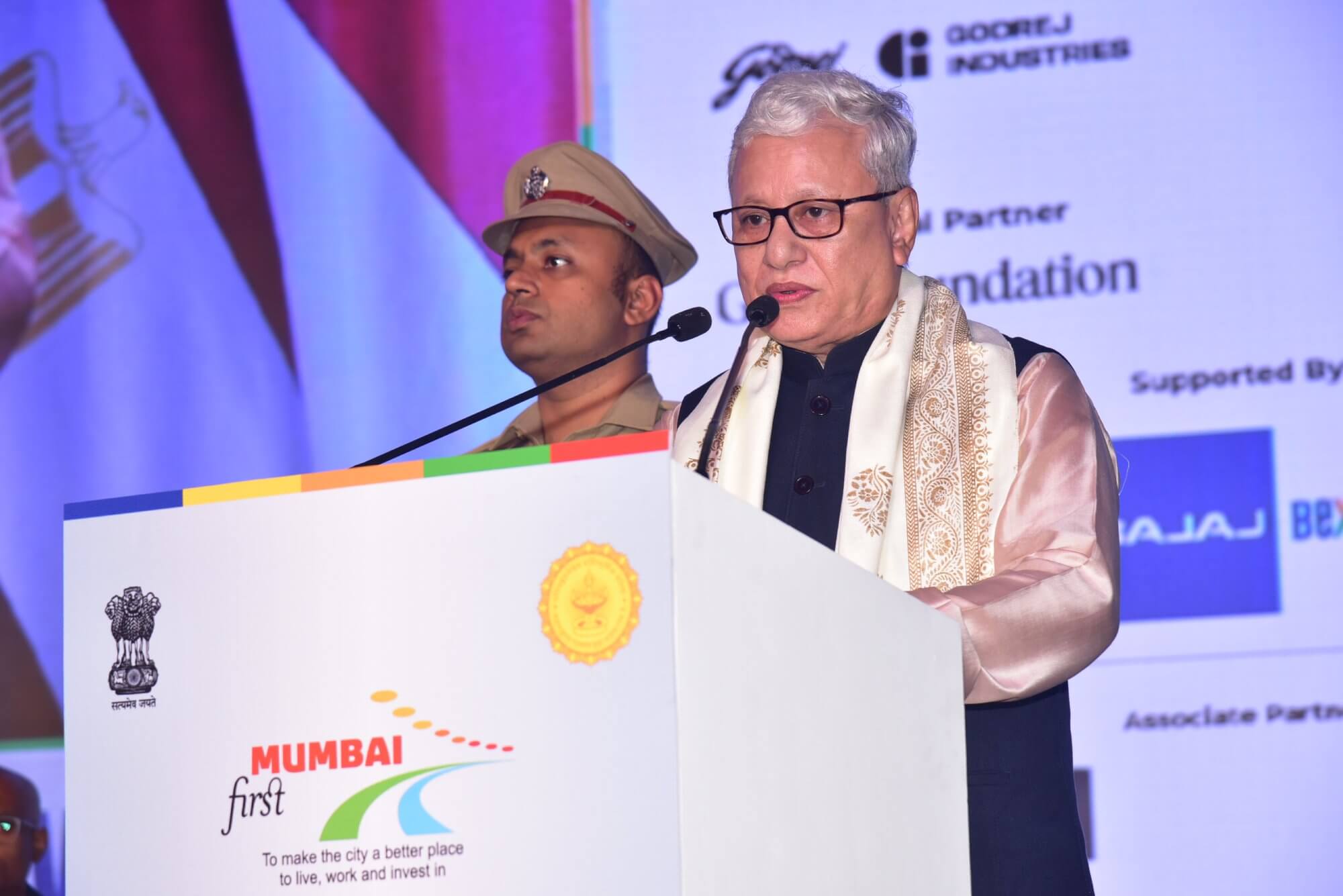
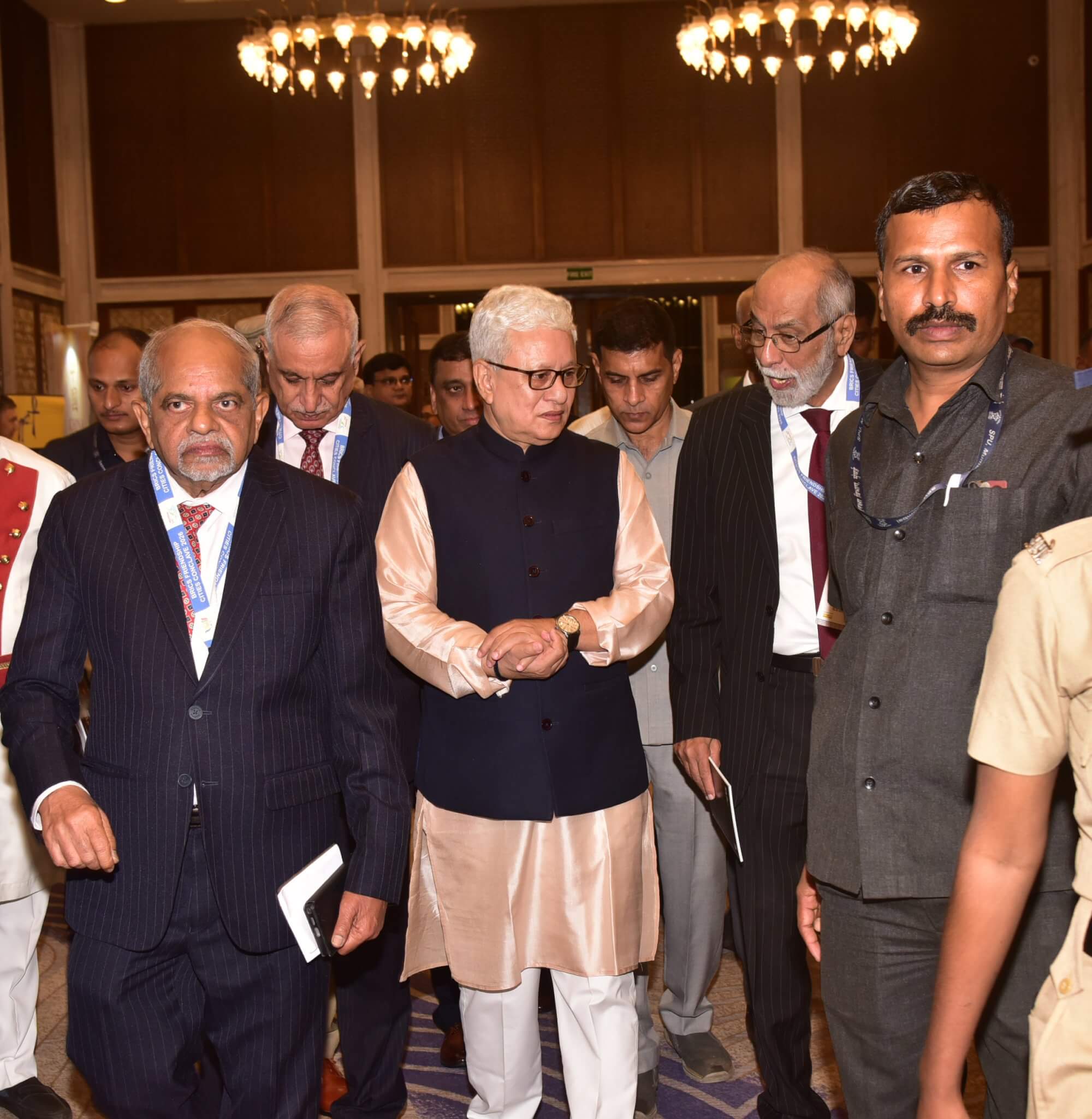
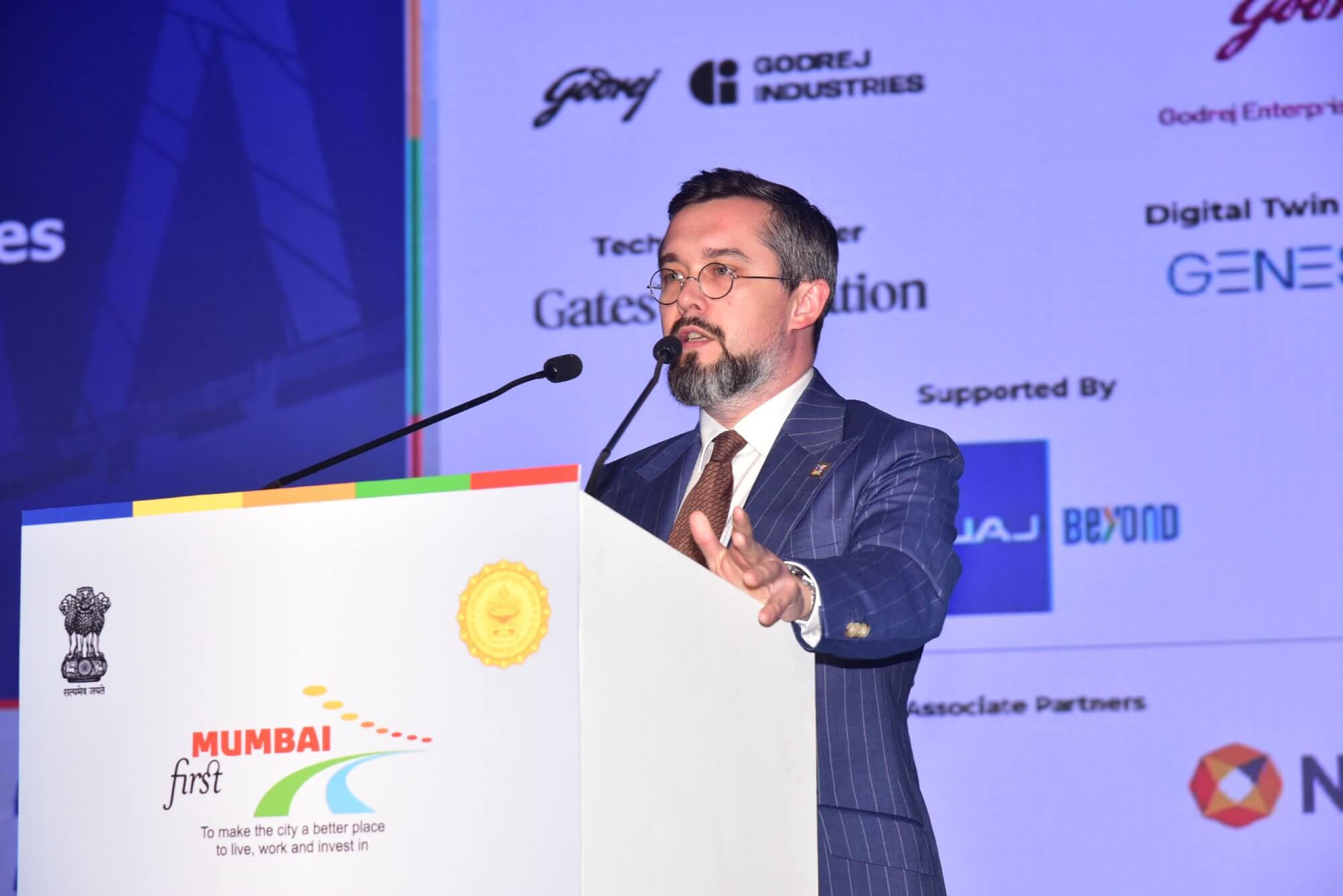
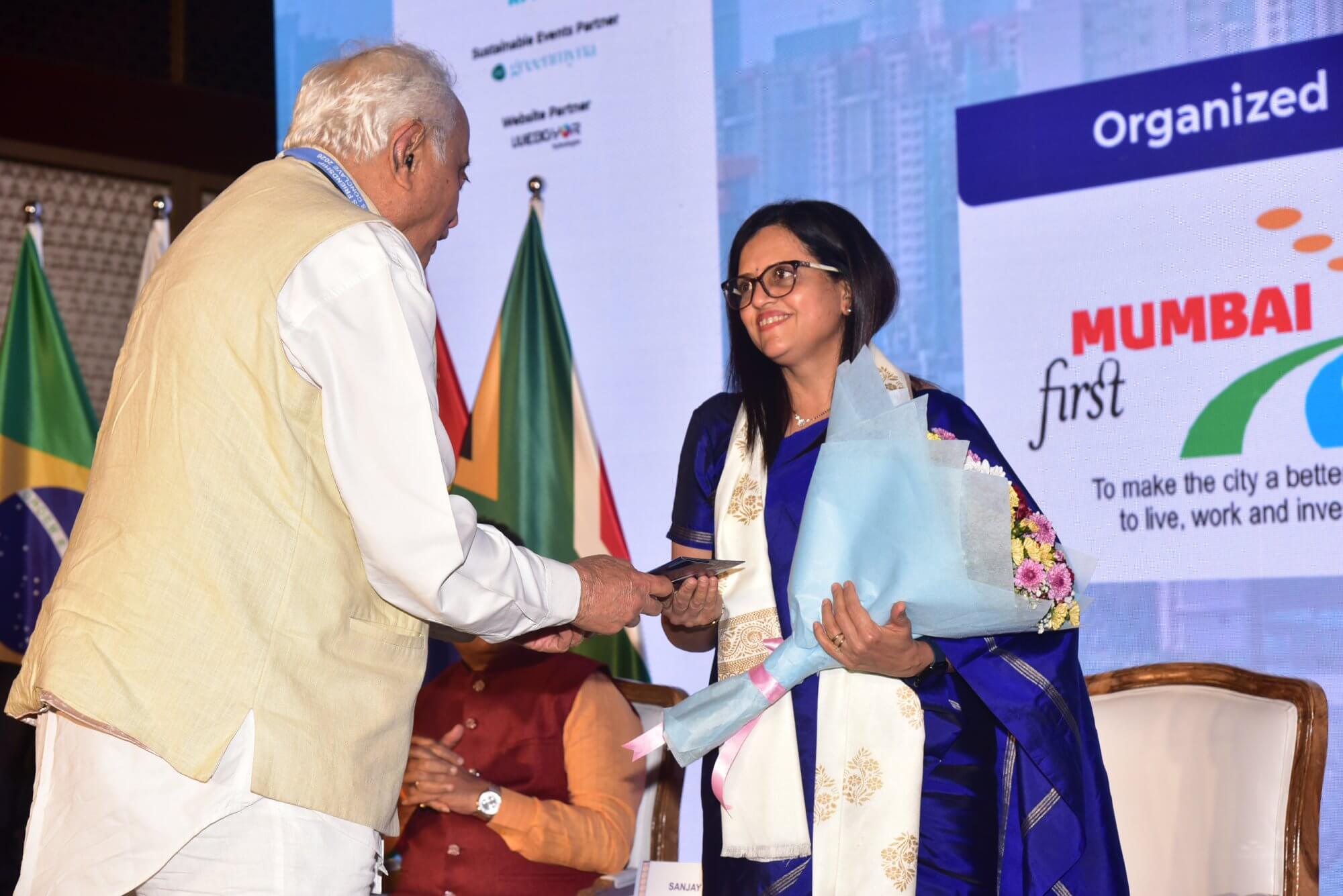
The Conclave was inaugurated by Hon’ble Governor of Maharashtra Shri Jishnu Dev Varma, with Hon’ble Deputy Chief Minister of Maharashtra Shri Eknath Shinde also addressing the gathering. The inaugural discussions emphasised the importance of strengthening cooperation between BRICS cities and sharing experiences, technologies and innovations to build cities that are resilient, inclusive, sustainable and citizen-centric. The Governor highlighted the relevance of Vasudhaiva Kutumbakam in an interconnected world and called for dialogue to translate into concrete partnerships and action.
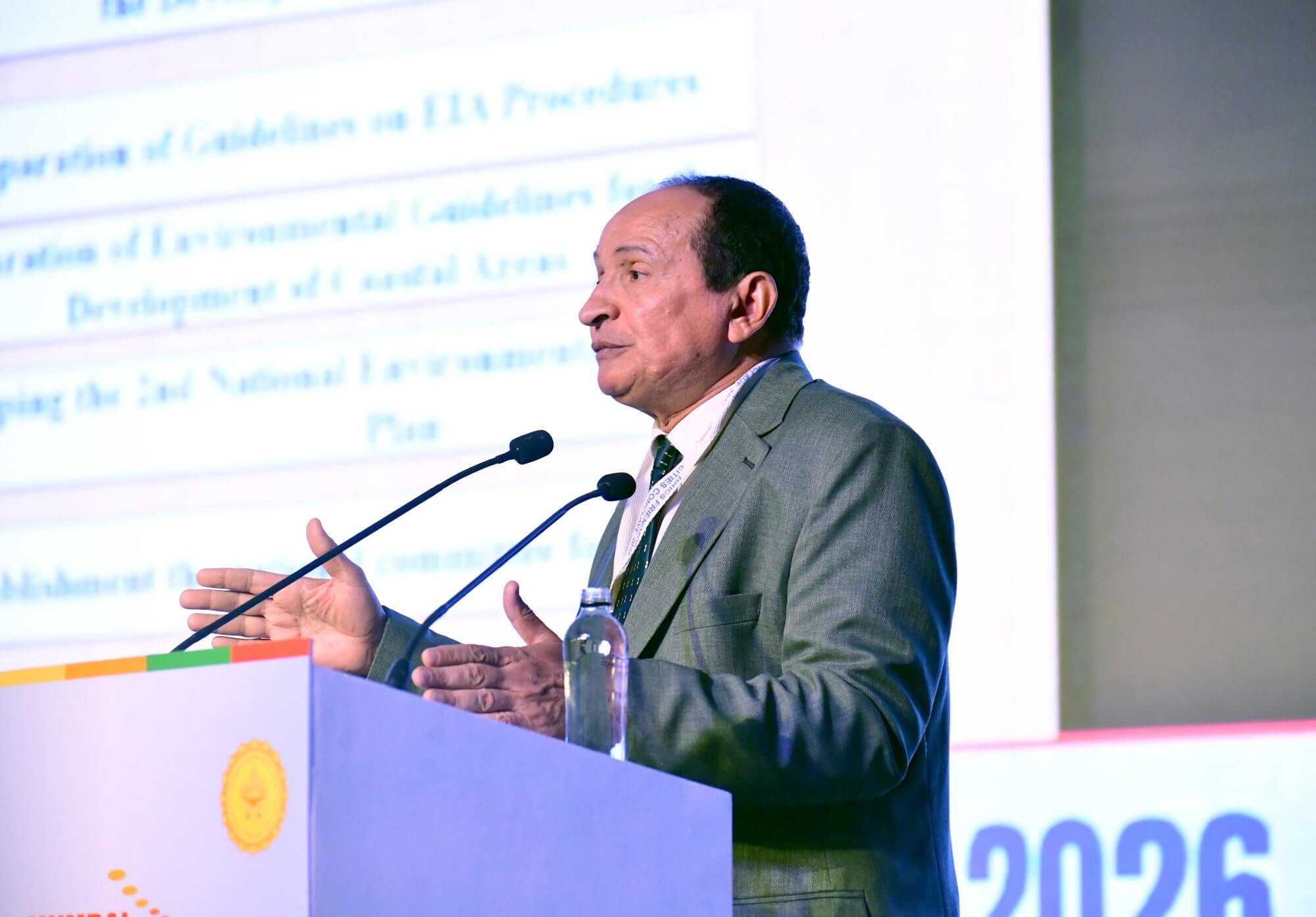
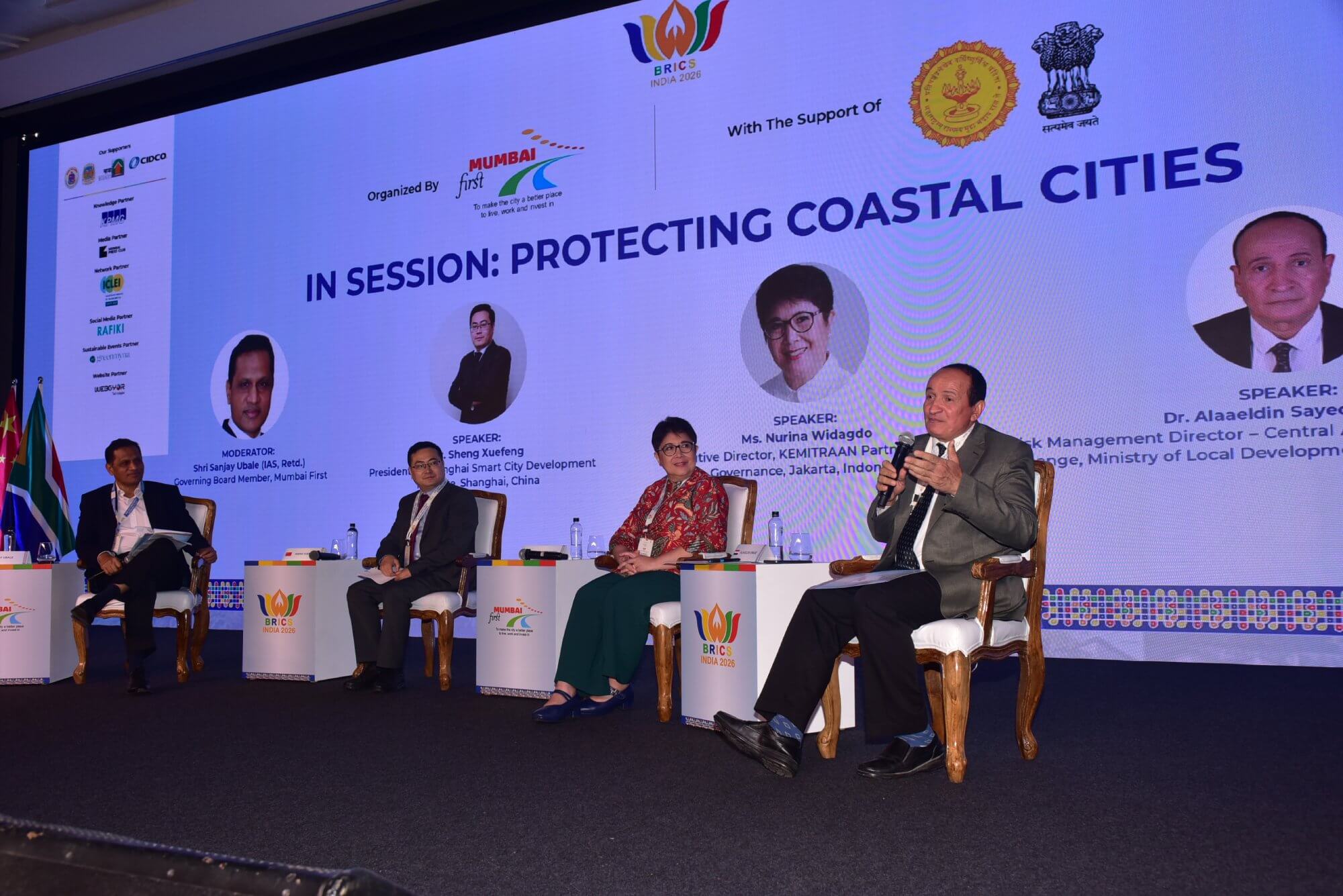
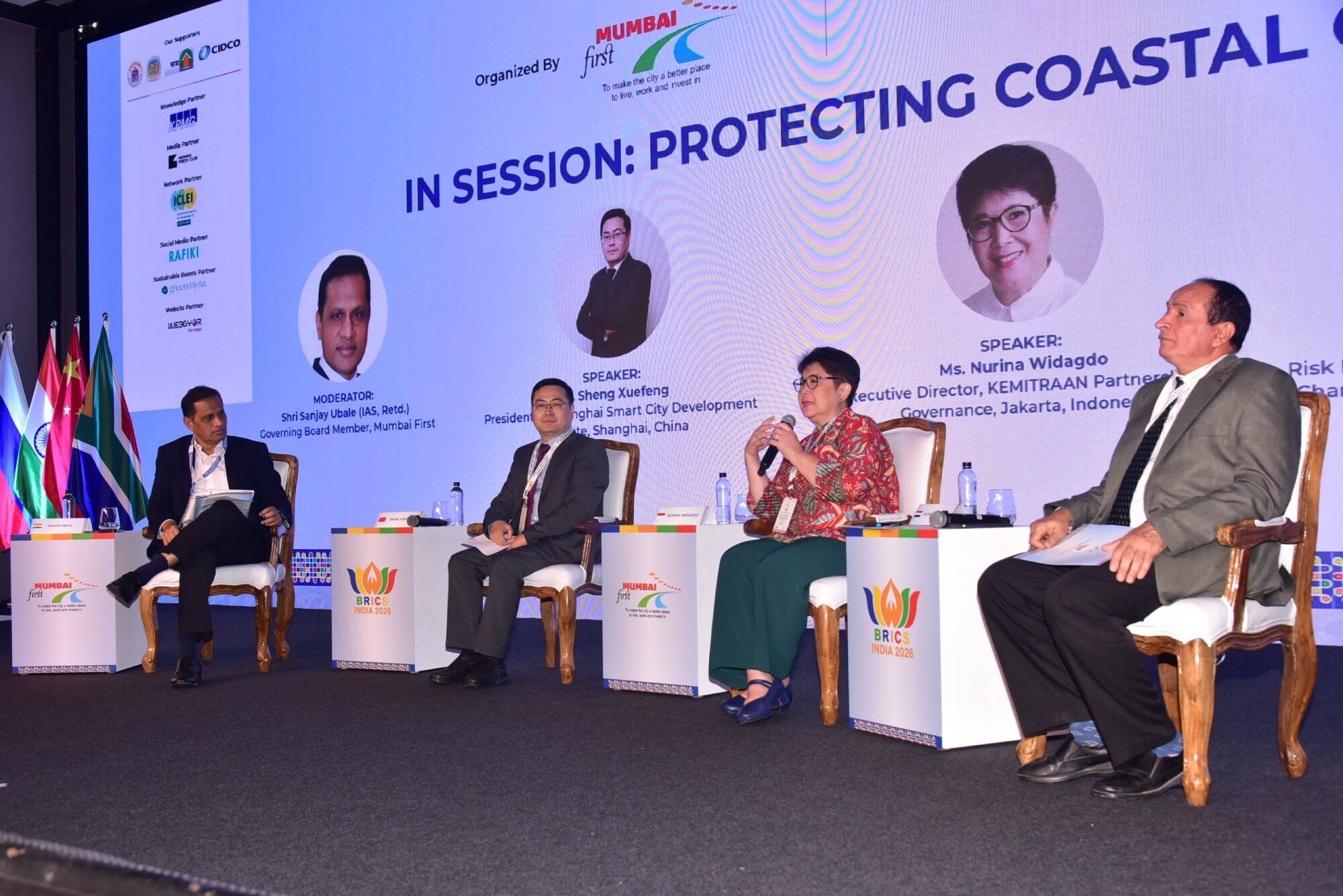
Across the two days, the Conclave addressed some of the most pressing priorities shaping the future of urban development. Discussions examined climate resilience and environmental challenges, coastal vulnerability, rising sea levels, urban heat and air pollution, sustainable mobility and transportation, resilient infrastructure, affordable housing, informal-settlement regeneration, digital governance, artificial intelligence, smart cities, urban finance and technology-enabled urban solutions. The sessions brought together perspectives from governments, city administrations, international representatives, industry and civil society, allowing participants to compare experiences and explore approaches that could be adapted across different urban contexts.
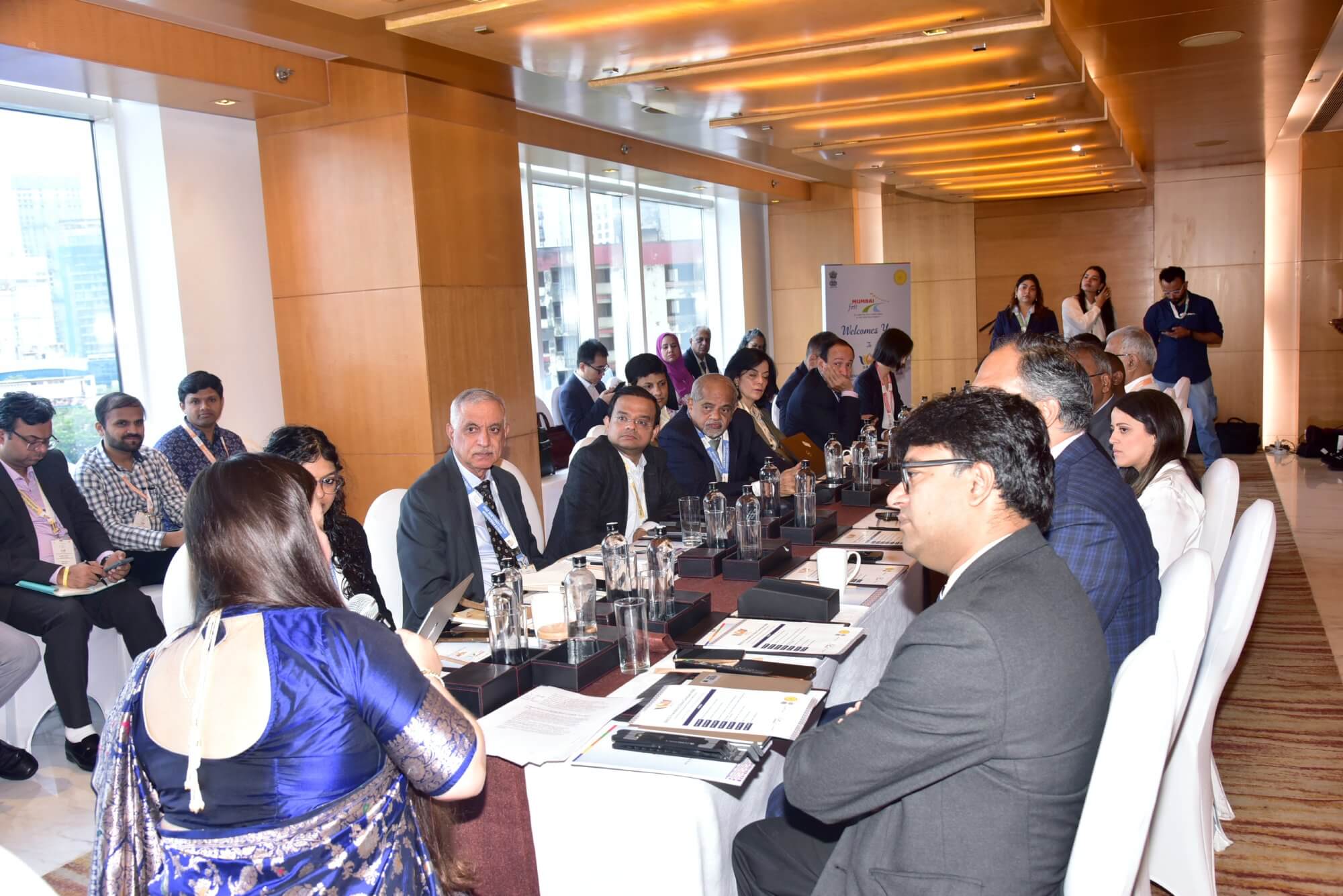
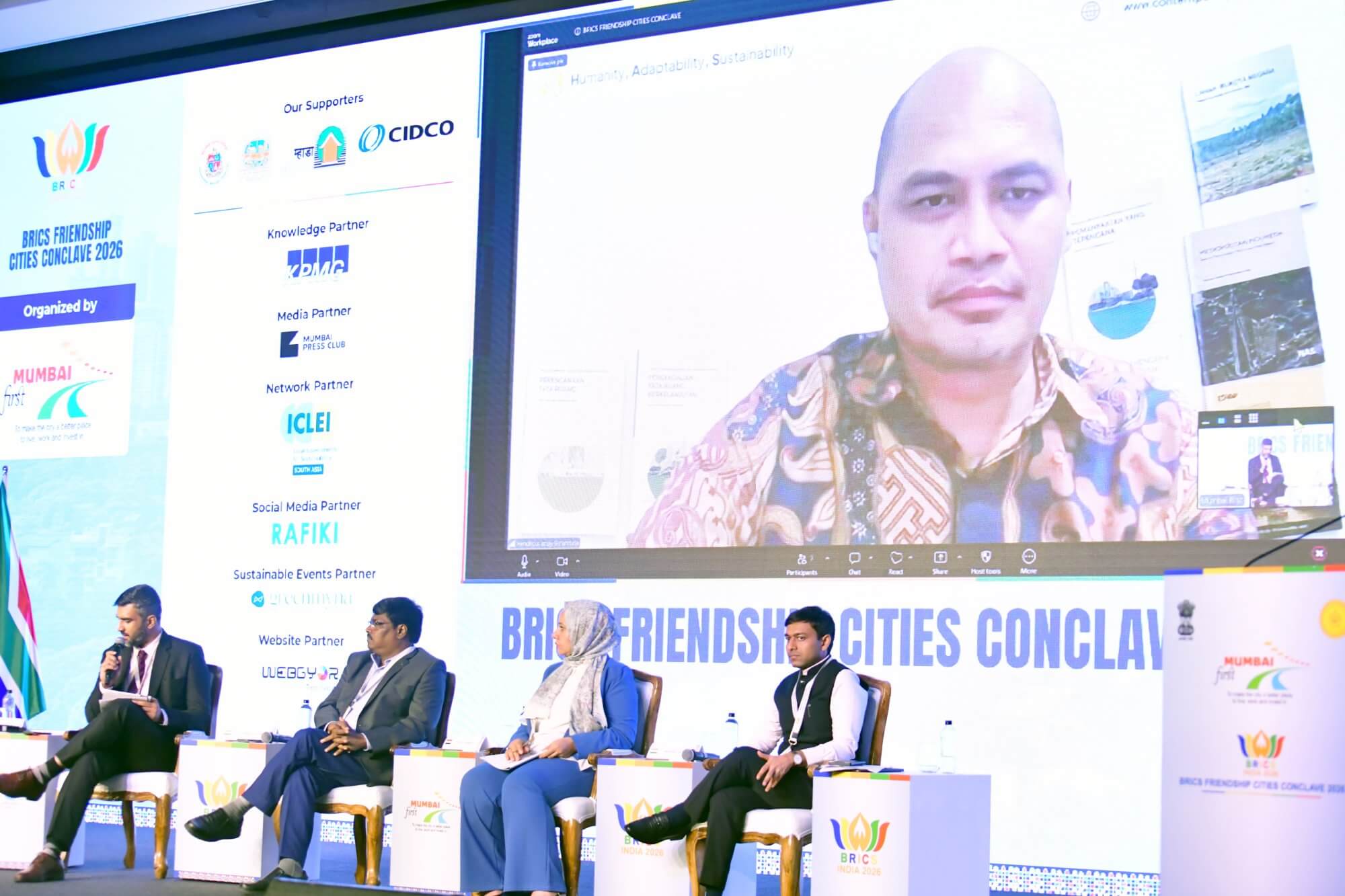
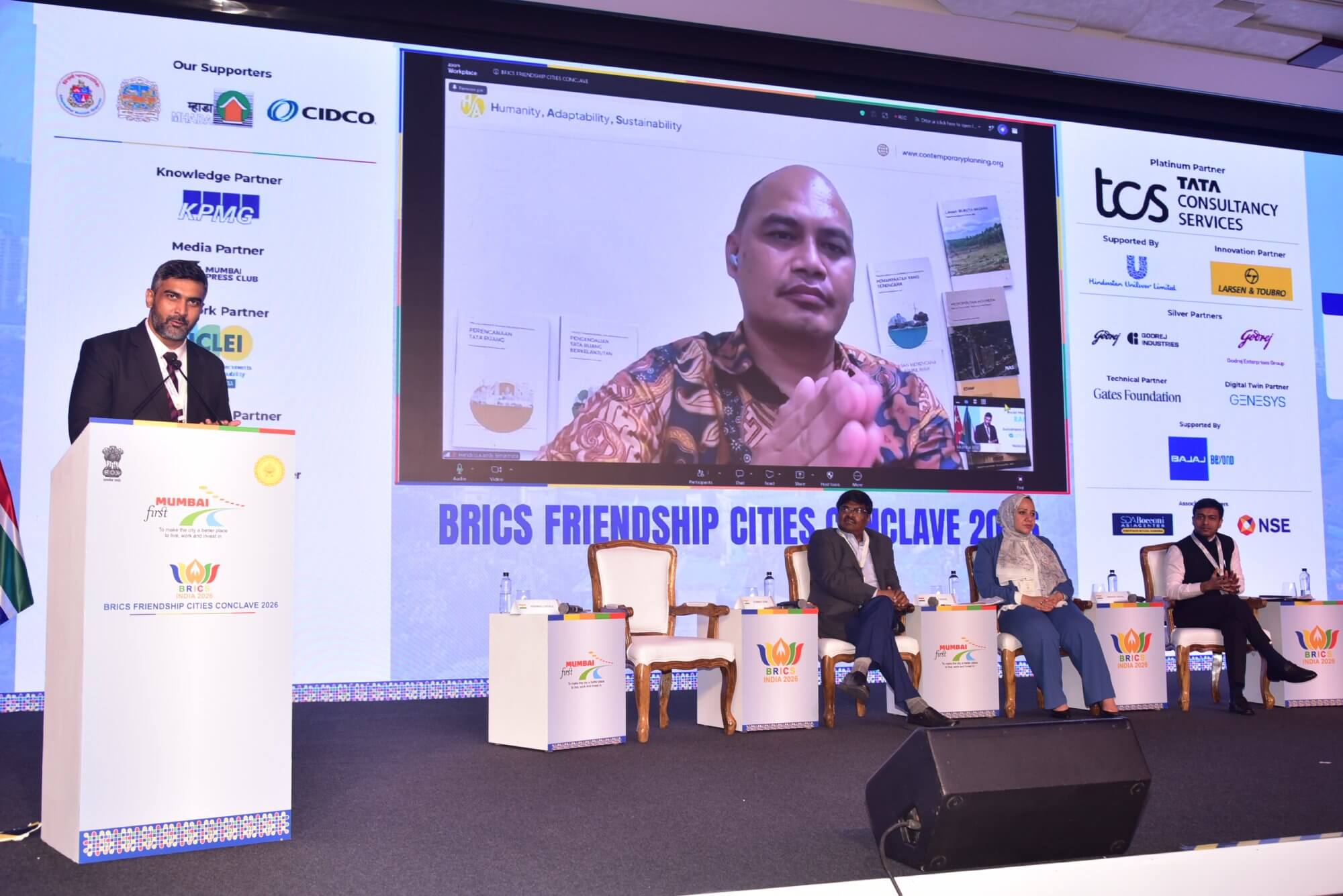
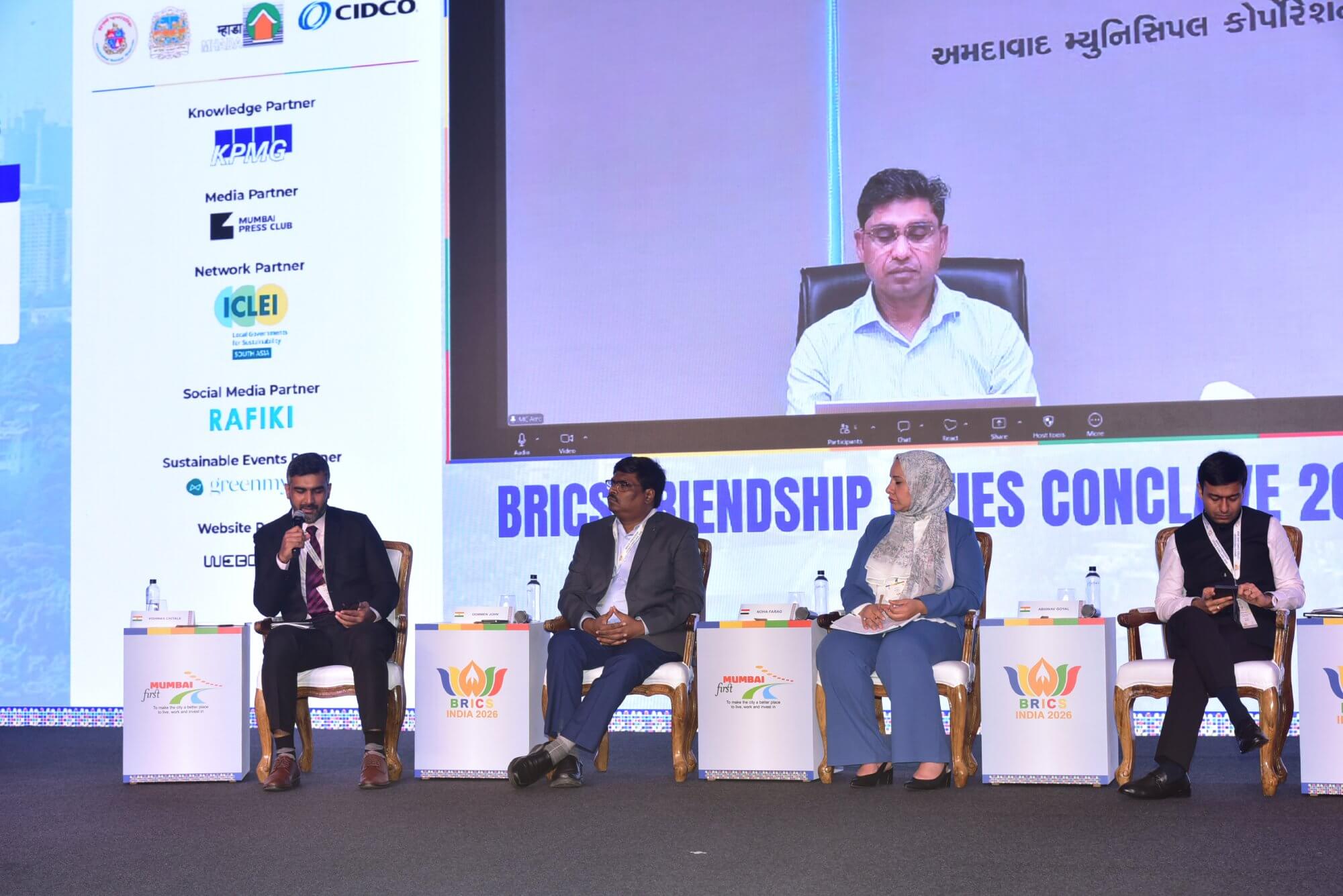
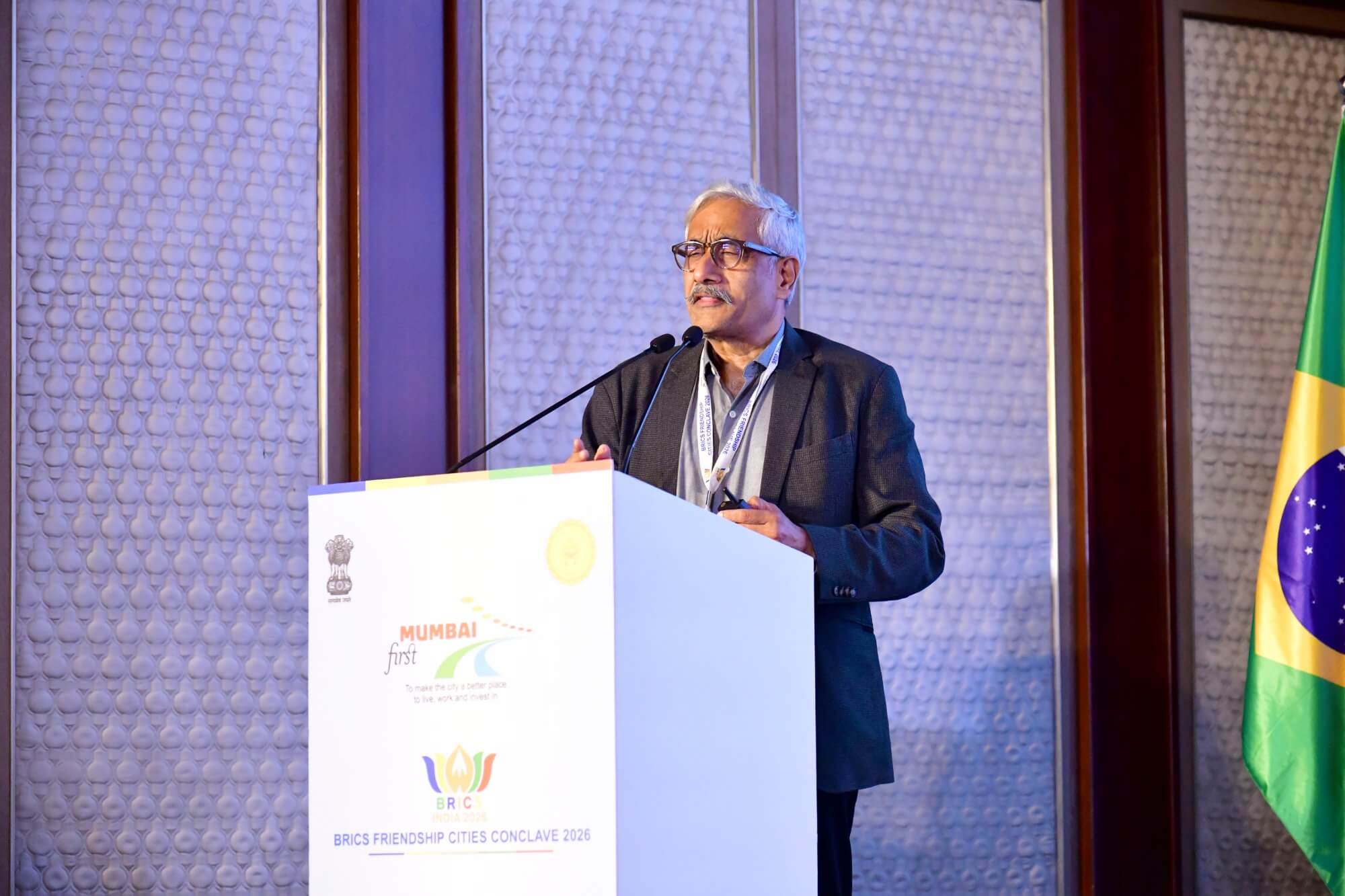
A key feature of the Conclave was its emphasis on practical knowledge exchange. The Knowledge Session on Innovative Urban Development Solutions for BRICS Cities brought together representatives from government, city administrations, industry and international institutions to discuss solutions across housing and urban regeneration, sustainable mobility, climate resilience, water and sanitation, smart urban governance and technology. Presentations also explored emerging tools such as GeoAI and 3D Digital Twins, demonstrating how technology can support more informed and predictive urban decision-making.
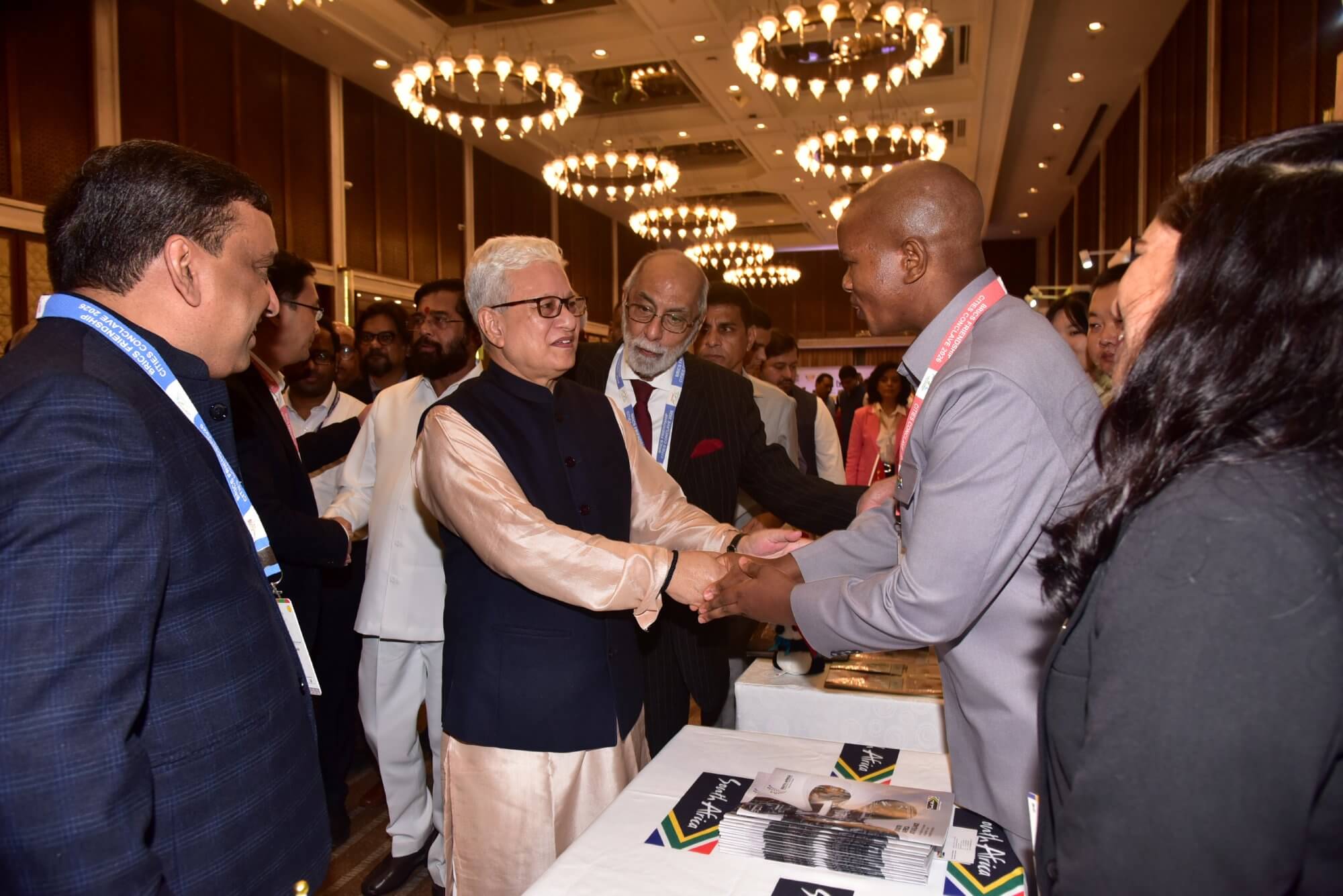
The Conclave also featured an exhibition showcasing urban development initiatives, technologies and solutions from participating organisations and institutions. The exhibition brought together private-sector technology companies, development and social-sector organisations, government agencies and diplomatic missions, providing delegates with an opportunity to engage directly with practical examples of urban innovation and development.
The discussions reinforced the importance of moving beyond dialogue towards long-term city-to-city partnerships. Cities across BRICS and partner countries face different institutional, geographic, and socio-economic contexts, but many of their challenges are shared. Cooperation can therefore enable cities to learn from one another, adapt proven approaches and develop partnerships around common priorities.
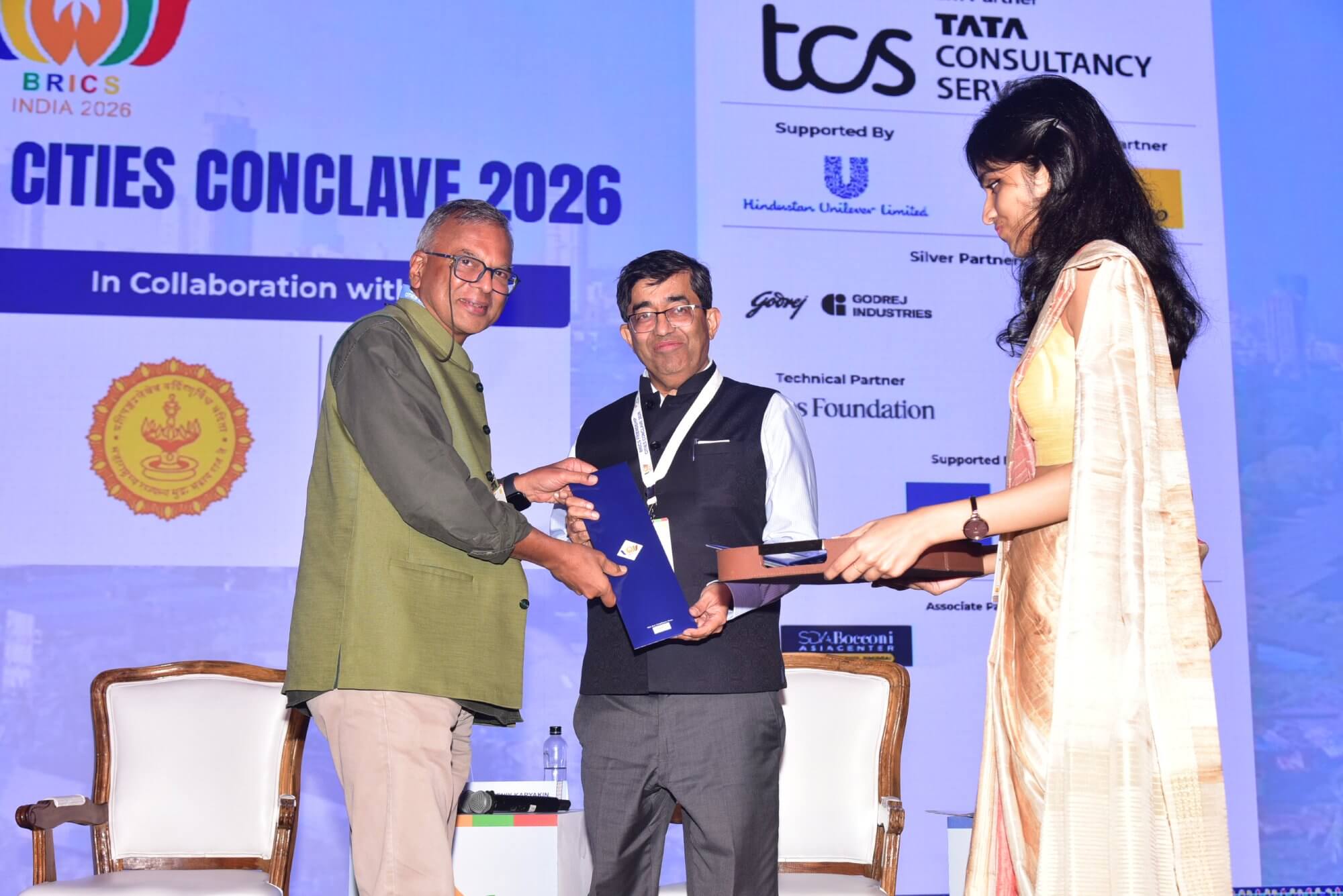
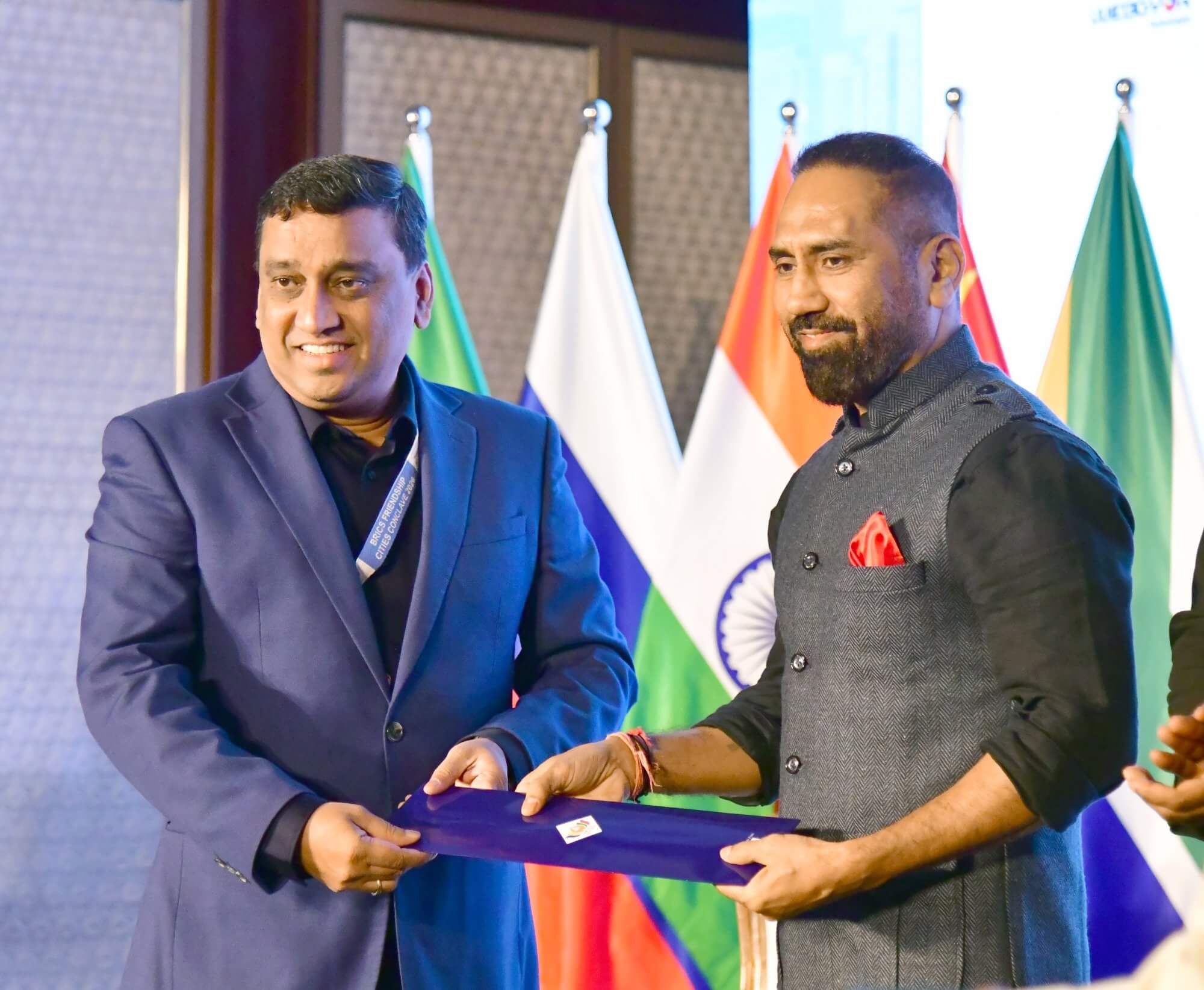
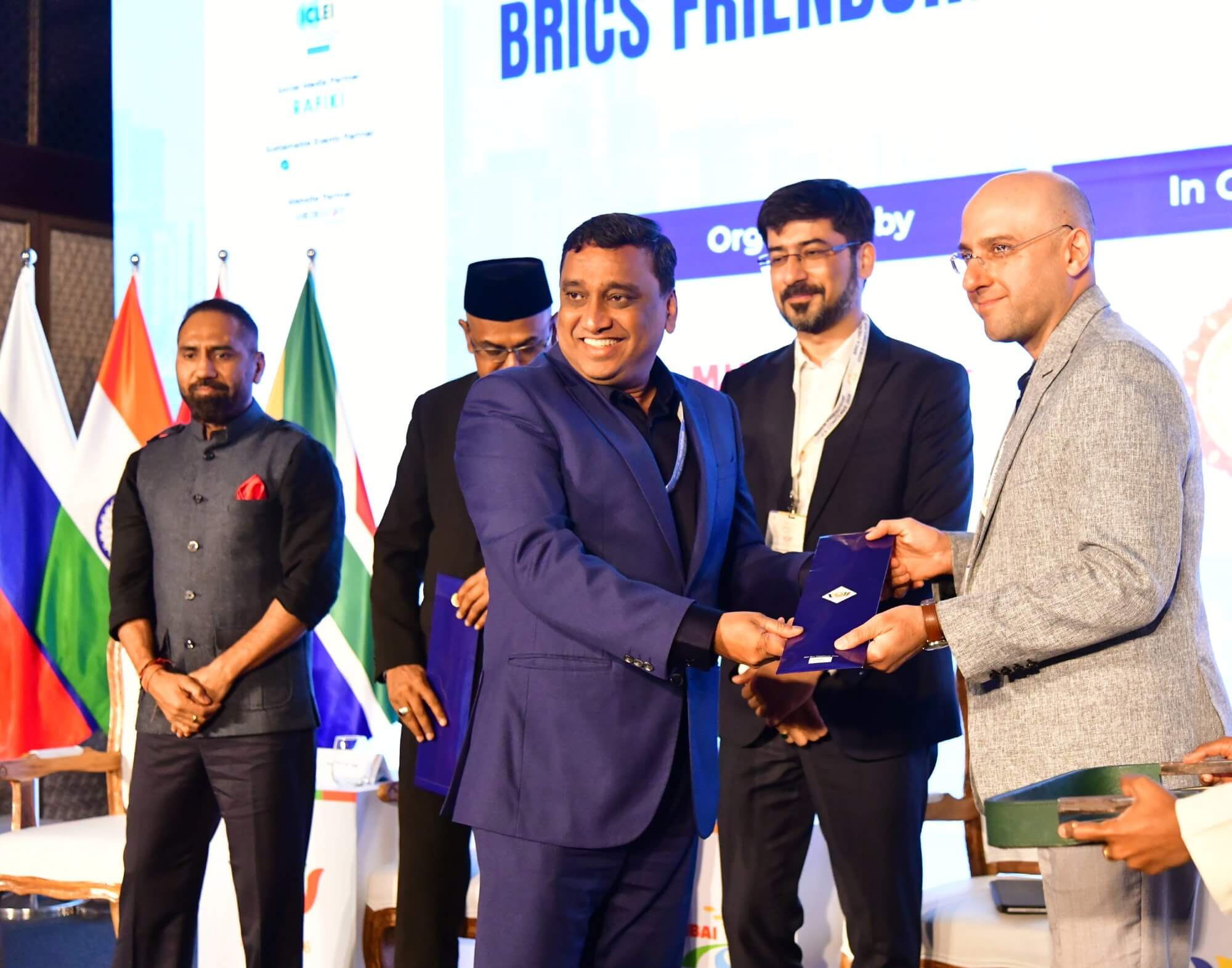
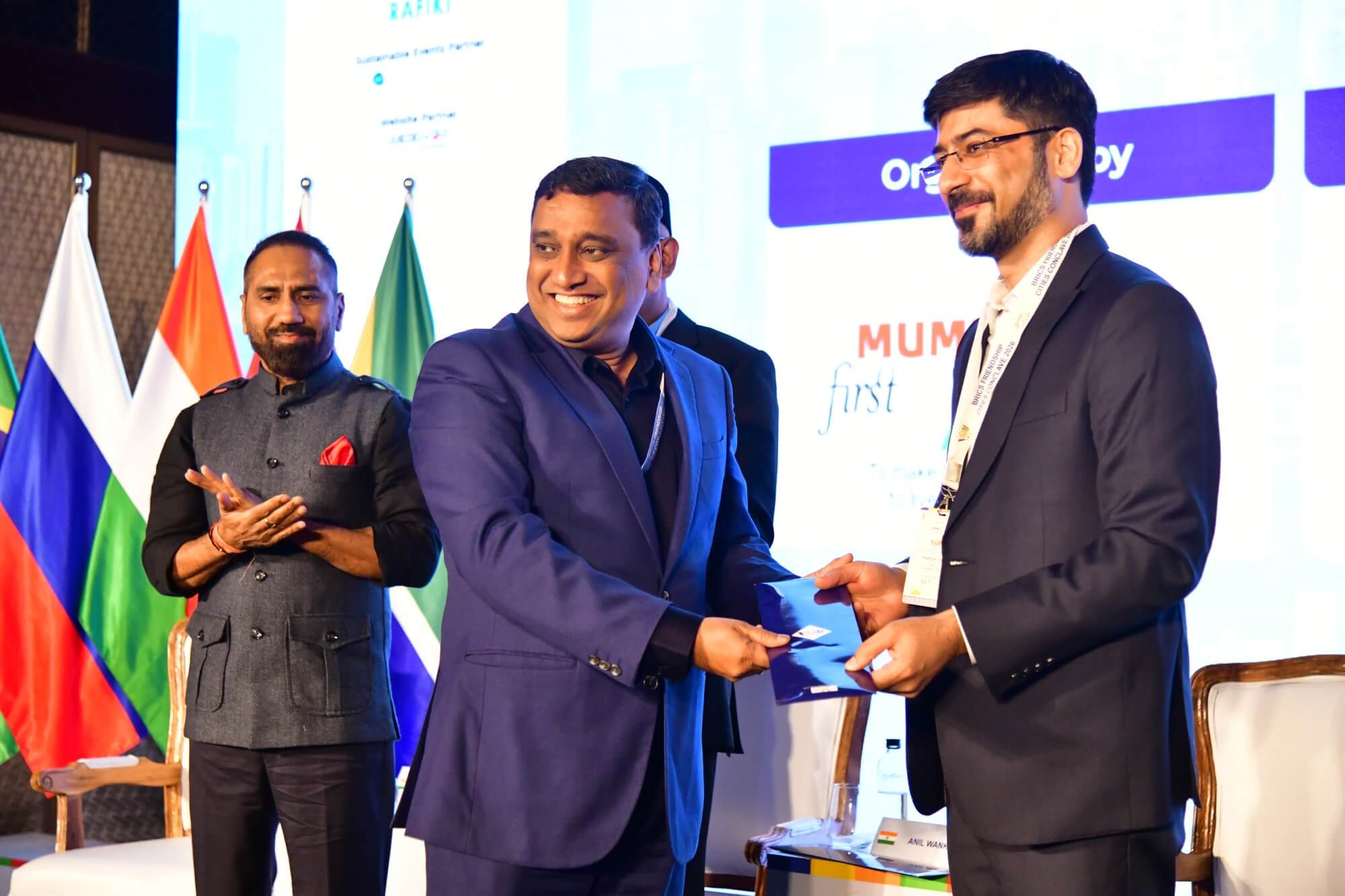
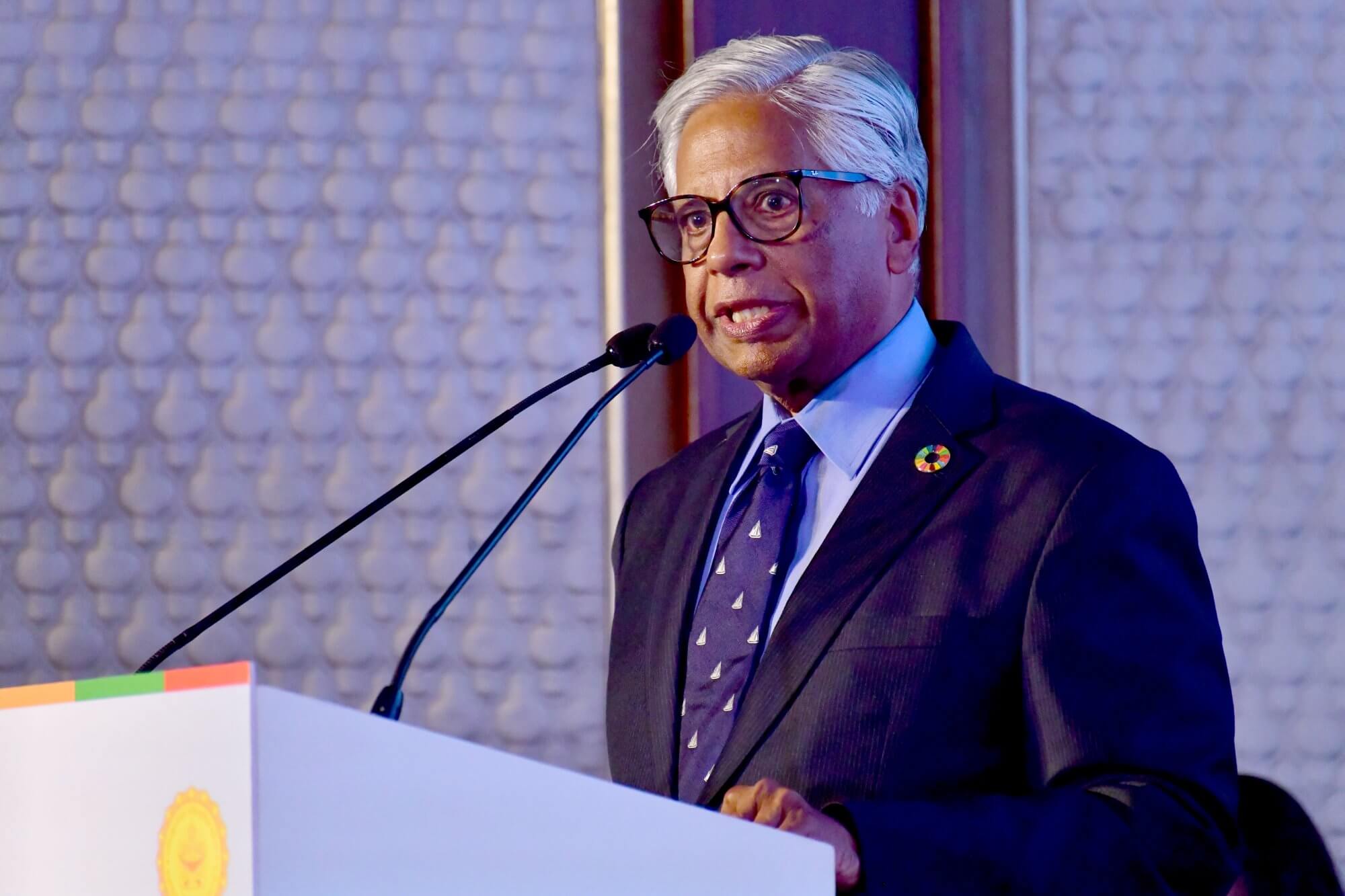
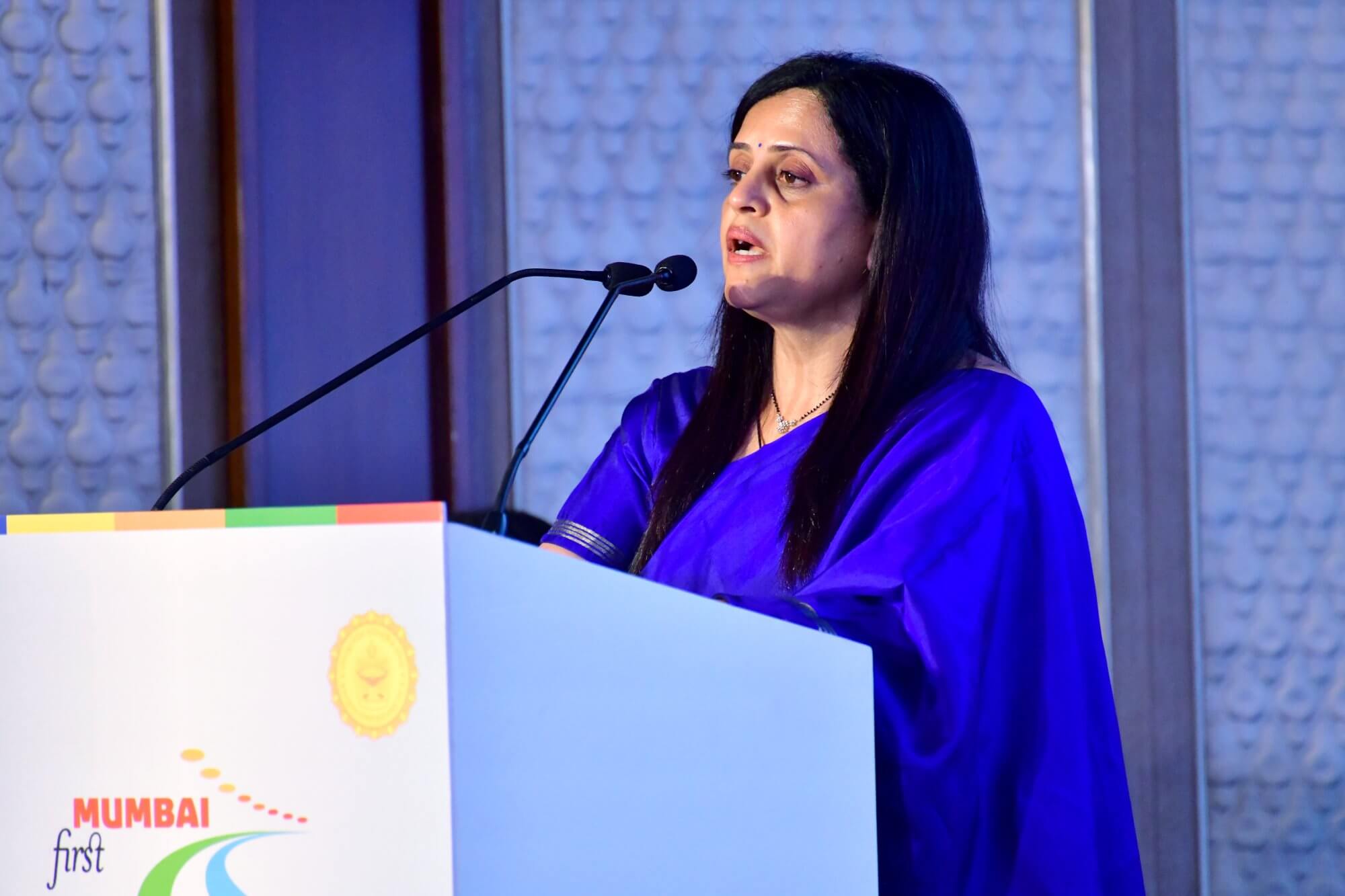
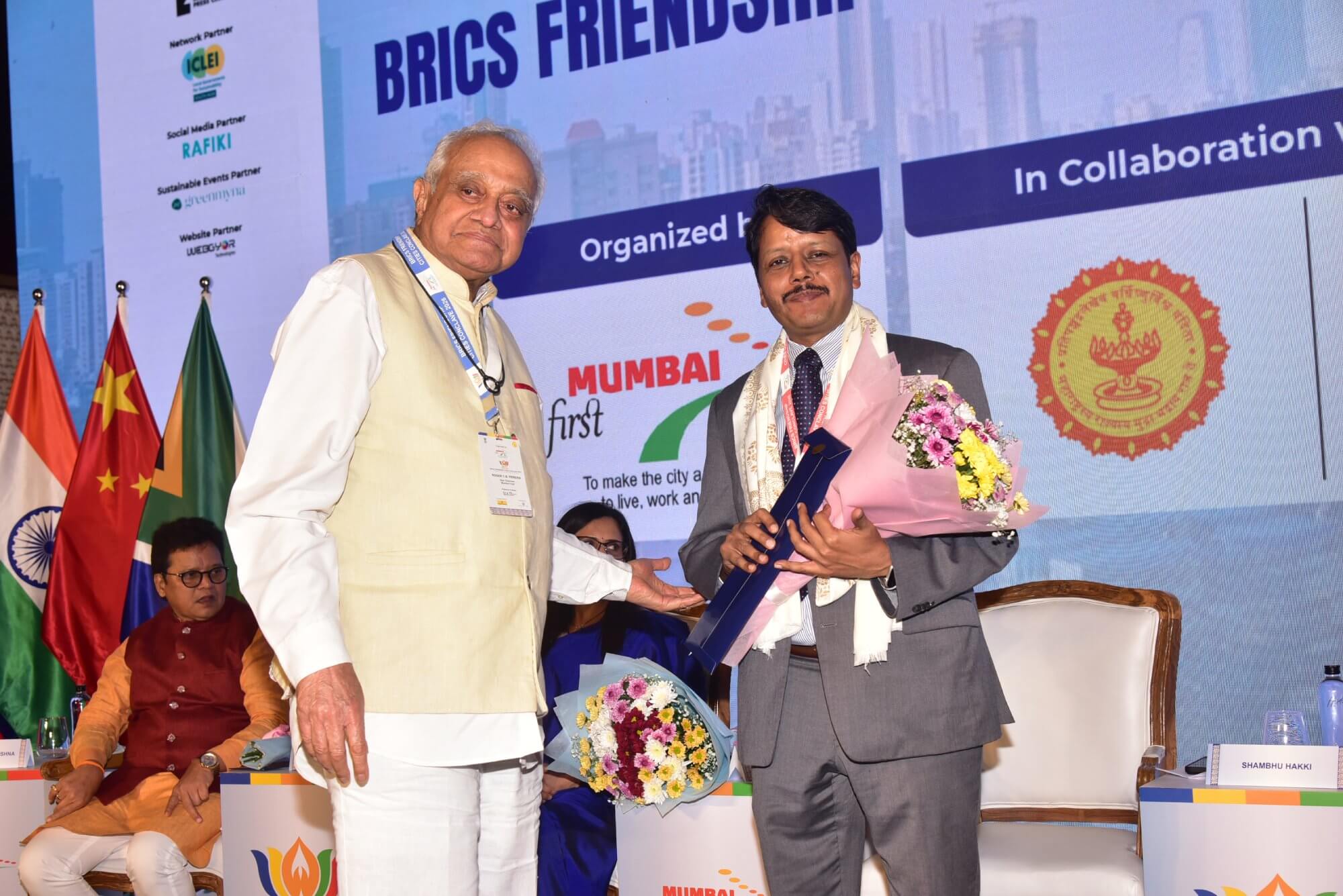
The Conclave concluded with a Valedictory Session bringing together senior urban leaders and experts, including Shri Sanjay Ghadi, Deputy Mayor, Brihanmumbai Municipal Corporation (BMC), Smt. Ashwini Bhide, Municipal Commissioner, Brihanmumbai Municipal Corporation (BMC), Shri Shambu Hakki, Joint Secretary (Multilateral Economic Relations), Ministry of External Affairs, India and Dr. Ramakrishnan Kilaparti, Senior Advisor to the President on Ocean and Climate Policy, Woods Hole Oceanographic Institution (WHOI). The session reflected on the key discussions and insights emerging from the two-day Conclave. The experts emphasised the importance of translating dialogue into practical action and sustained collaboration. The discussion also highlighted the value of stronger institutional partnerships and city-to-city cooperation. The session reaffirmed the vision of building the Conclave into a long-term platform for cooperation among BRICS cities.
For Mumbai First, the BRICS Friendship Cities Conclave 2026 represents the beginning of a larger vision: to develop the Conclave into an annual platform for city-to-city cooperation among BRICS countries and partner nations. The objective is to create a sustained forum where city leaders, governments, experts, industry, and other stakeholders can continue to exchange knowledge, build institutional relationships, and identify opportunities for collaboration.
By bringing international urban perspectives to Mumbai and connecting them with Indian experiences, the Conclave sought to strengthen the role of cities as important actors in international cooperation and contribute to the development of resilient, innovative, inclusive and sustainable cities.