Expert Meeting on Heat Action Plan | 19th September 2025
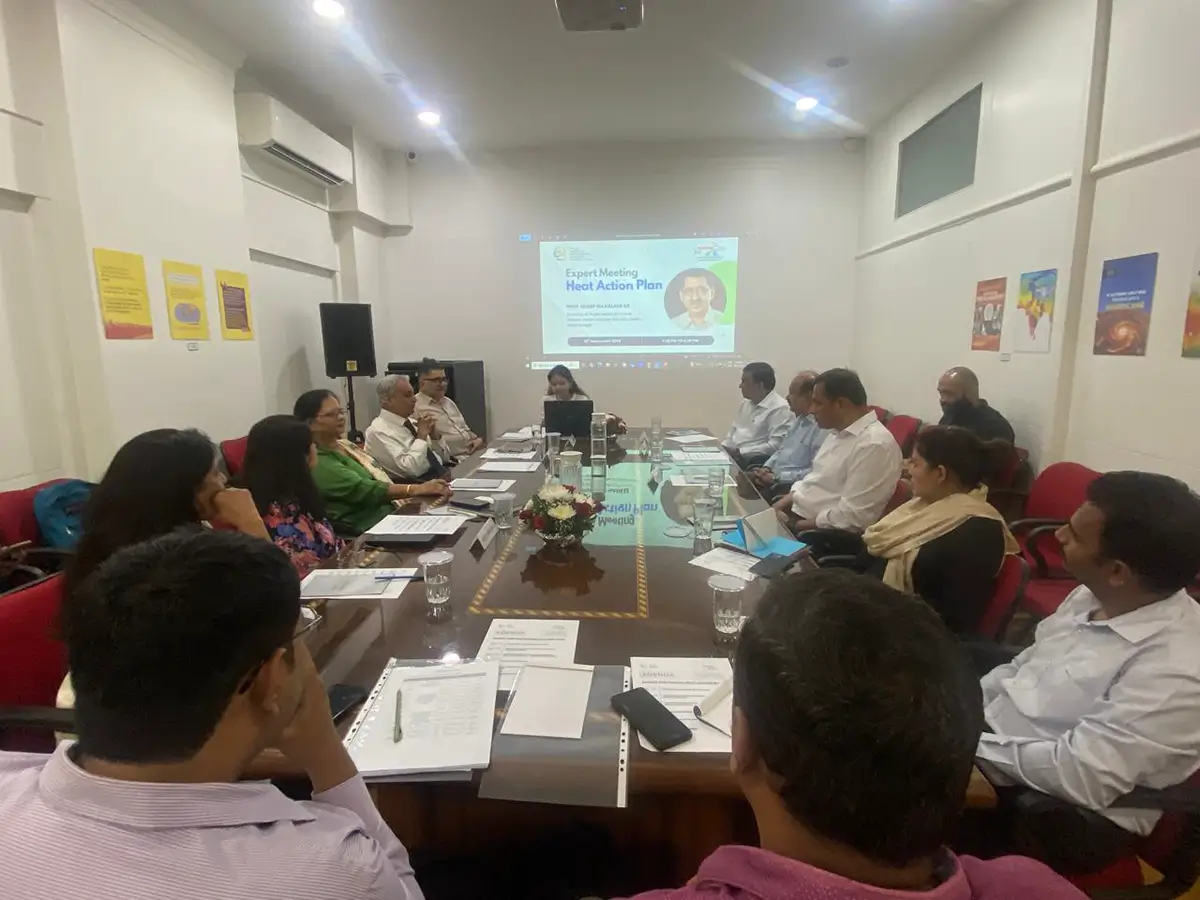
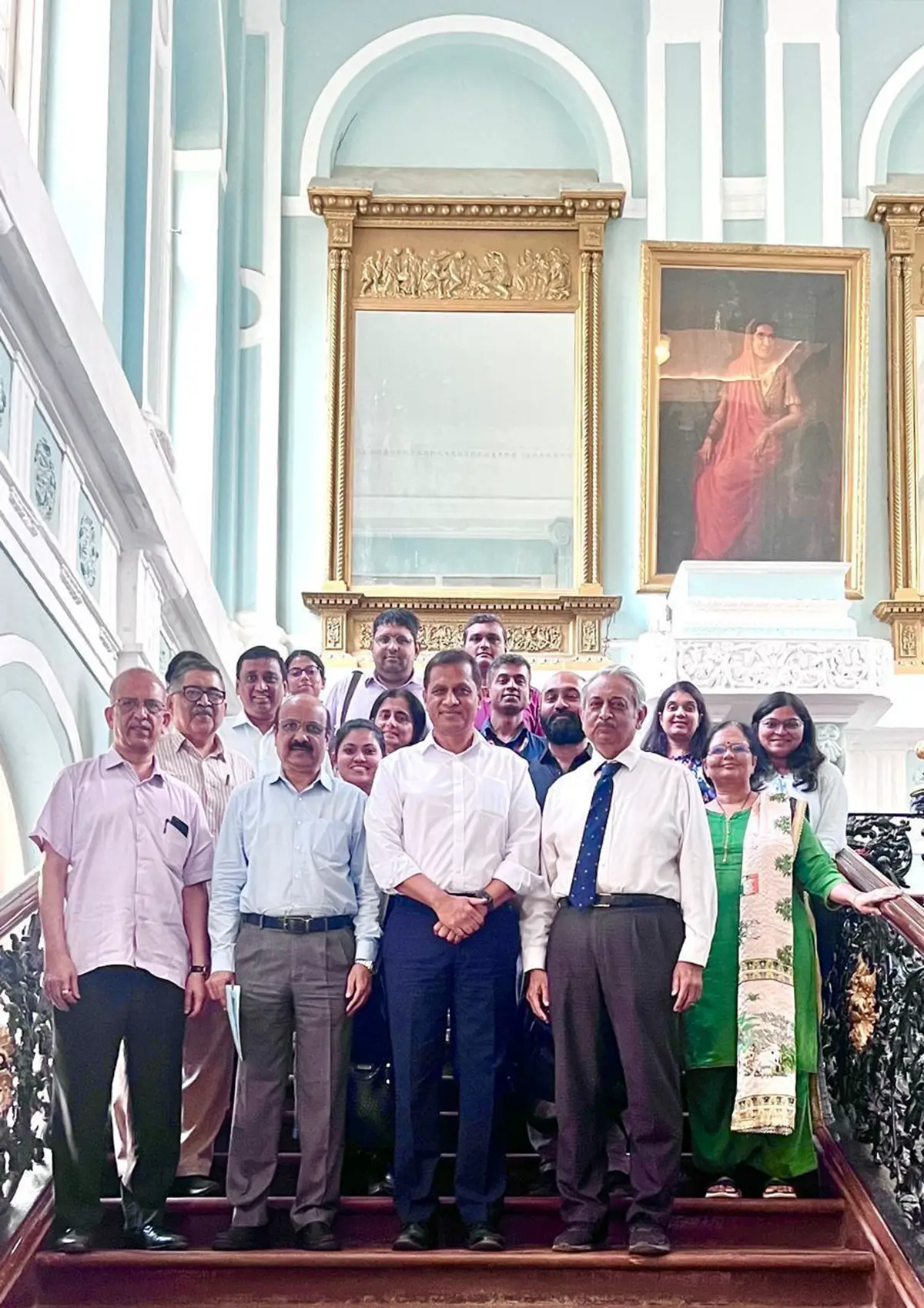
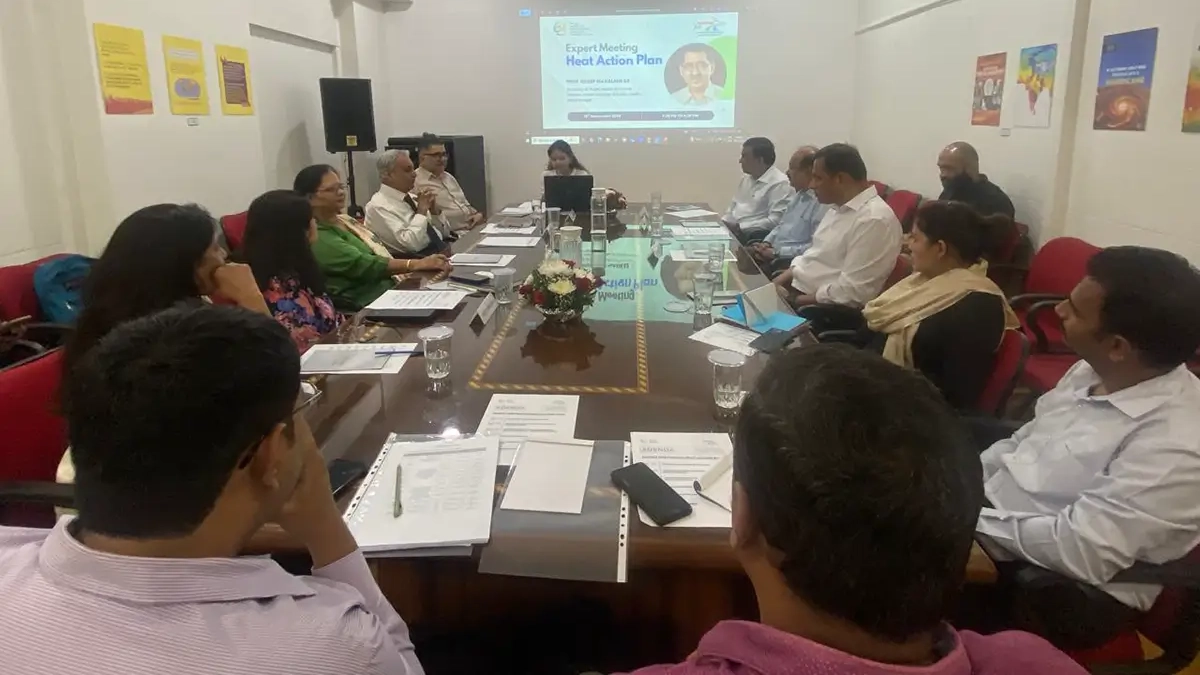
In recognition of the need for a coordinated and community-driven response to urban heat vulnerabilities, Mumbai First launched the Community-Led Resilience and Adaptation Program (CLAP), with support from the Gates Foundation. The ‘Expert Meeting on Heat Action Plan’ was an inaugural step under the CLAP program, where Mumbai First, alongside Public Health Foundation of India (PHFI) and the Centre for Climate Change and Health, hosted a closed-door meeting at Masina Hospital, Byculla, on 19 November 2025, discussing potential roadmaps for Mumbai’s Heat-Centric Action Plan.
To provide context to the climate and health risks in Mumbai, the meeting’s keynote speaker, Prof. Dileep Malavankar, Distinguished Professor of Public Health & Former Director, Indian Institute of Public Health, Gandhinagar, delivered a presentation drawing from his experiences and lessons based on his work for the Ahmedabad Heat Action Plan. Prof. Mavalankar examined heat vulnerabilities in Ahmedabad and offered recommendations through key components of Heat Action Plans (HAPs) as recommended by the Indian Institute of Public Health, Gandhinagar. These included the necessity of early warning systems, public awareness and community outreach, capacity building of medical professionals, and adaptive measures for reduction of heat exposure.
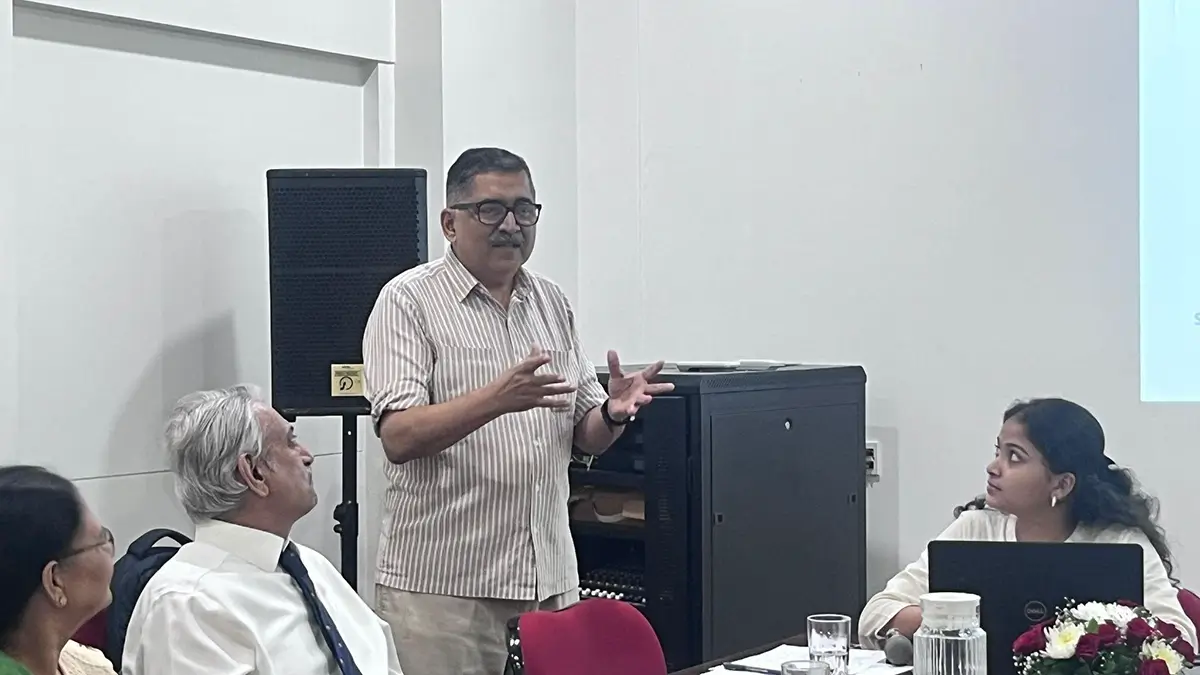
Finally, the expert invitees discussed recommendations for Mumbai city by developing action points. These included identifying a lead agency for Mumbai’s Heat Action Plan, narrowing down on the appropriate government departments, discussions with BMC officials, and evaluating the feasibility of appointing a Chief Heat Officer for Mumbai. Prof. Mavalankar stressed the importance of establishing heat–health linkages through mortality data to firstly, recognise baseline mortality and secondly determine mortality figures above average that can be attributed to heat-induced deaths. This was followed by the necessity of reliable health and mortality records, as well as reviews at regular intervals.
It was understood that national guidelines and models must also be reviewed due to the availability of NDMA guidelines and Central Health Ministry guidelines for heat preparedness, as well as the existence of the Ahmedabad Heat Action Plan. Additional sources of reference and contact shared by the participants included the review of demographic datasets from IIPS (Indian Institute of Population Sciences) and IIT Bombay’s climate research departments for modelling and vulnerability insights. Finally, it was considered necessary to follow up with expert contributors, including maintaining coordination with Prof. Mavalankar for technical guidance and best practices, as well as future consultations and roundtables to continue building a collaborative framework.
The open discussion and stakeholder inputs helped outline key challenges, potential pathways, and next steps for Mumbai’s Heat-Centric Action Plan document under CLAP for implementation and annual reviews. Through this meeting, an outline of follow-up activities and a collaborative roadmap could be discussed.